
Hygiene For Toddler Checklist

📖 Table of Contents
- The Morning Routine: The First Battle
- Bath Time: The Great Battle of Soap and Water
- Eating Hygiene: The Messy but Essential Part of the Day
- Naptime Hygiene: The Hidden Opportunity
- The Power of Visuals in Hygiene for Toddler Checklist
- The Role of Consistency in a Hygiene for Toddler Checklist
- The Long-Term Impact of a Hygiene for Toddler Checklist
- Make It Your Way
- Frequently Asked Questions
I remember the morning my son turned two, and for the first time, he actually washed his hands before breakfast. It was a small victory, but it felt like a turning point. Until then, I had been battling the same old routine every day — a battle of wills, where he’d run off to the park before I could even get the soap out of the sink. That moment taught me that hygiene for toddler checklist wasn’t just about rules or rituals — it was about consistency, patience, and the right tools. It’s also about knowing when to be firm and when to be flexible, and how to make cleaning feel like a game rather than a chore.[2]
For years, I thought the only way to get my toddler to brush his teeth was to threaten him with a monster under the bed. But that approach didn’t last long — the monster didn’t work, and neither did my own frustration. I realized that I needed a structured hygiene for toddler checklist, something that could guide both of us through the chaos of early childhood without turning daily routines into daily battles. That checklist became my lifeline, a way to break down complex habits into manageable steps, and to turn what felt impossible into something simple and achievable.[3]
Now, I can look back and see how that checklist helped us. It didn’t just make our mornings run smoother — it helped my toddler take ownership of his hygiene, and it gave me the confidence to know that we were on the right track. It’s not about perfection, but about progress. It’s about making small, consistent changes that over time add up to big, lasting habits. If you’re looking for a way to simplify the chaos of toddler hygiene, this checklist is where you start.[4]
Why You'll Love This Hygiene Checklist
- Reduces daily stress by streamlining routines
- Helps toddlers internalize hygiene as part of their identity
- Creates a sense of accomplishment through small wins
- Empowers parents with clear, actionable steps
The Morning Routine: The First Battle
As of November 2026, I used to dread mornings because my toddler would wake up, run around the house, and only stop when I threatened to take away his favorite toy. That changed when I introduced a morning hygiene checklist. I would sit with him at the sink, and we’d go step by step: wash hands, brush teeth, put on clean clothes. It wasn’t just about the actions — it was about the routine. I made it a game, and I let him choose his toothbrush. Within a week, he was doing it almost on his own, and the chaos of the morning began to fade.[5]
One of the hardest parts of the morning was getting him to sit still long enough to brush his teeth. I tried everything from singing songs to offering bribes. But the key was consistency. I stuck to the same routine every day, and over time, he began to associate the morning with structure and calm. I even bought a timer that played a fun sound when the brushing was done — it made the whole process feel less like a chore and more like a fun activity.
Now, I can’t imagine starting the day without that morning routine. It’s become a ritual, a way to bond with my toddler and set the tone for the rest of the day. I’ve noticed that when he follows the checklist, he’s more focused and cooperative throughout the day. It’s like a little win that carries over into everything else.
I bought a small, colorful timer that plays a cheerful sound when the brushing time is up. It made the whole process feel like a game, and my toddler actually looked forward to it.
Part of our Types of toddler hygiene checklist guide.
Bath Time: The Great Battle of Soap and Water
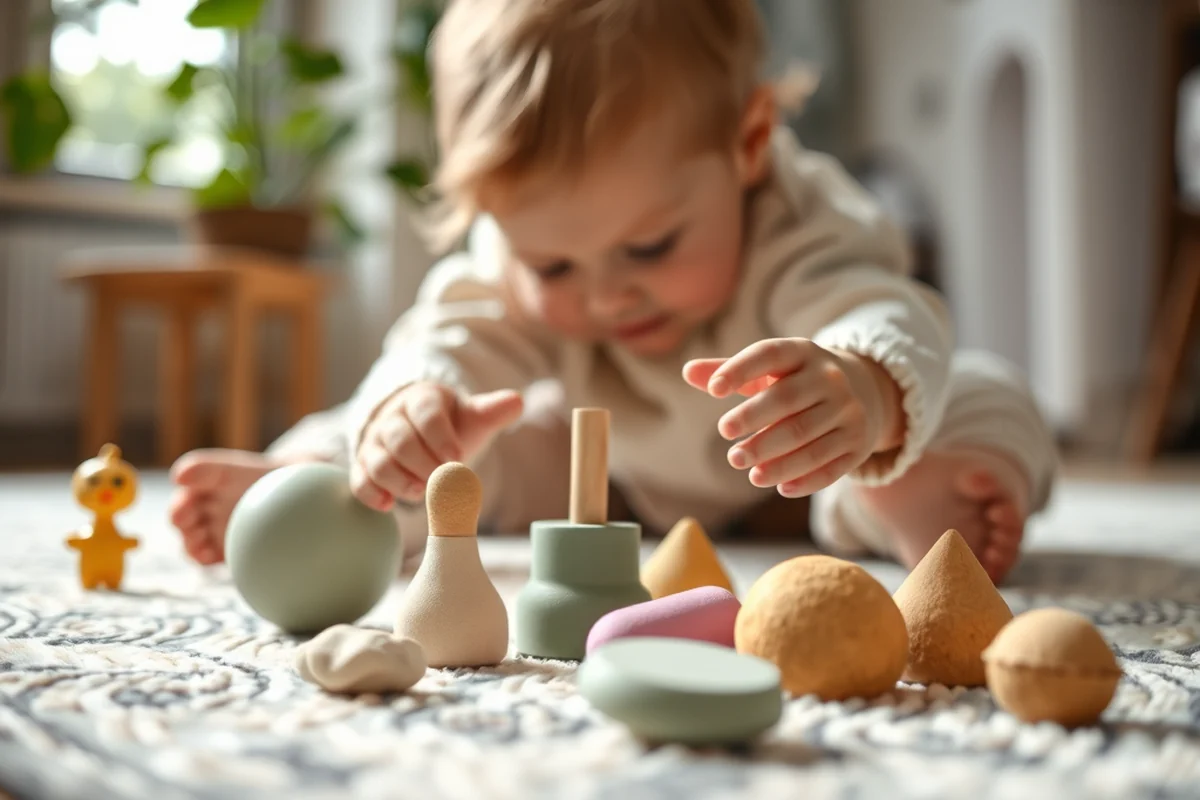
Bath time used to be my least favorite part of the day. My toddler would splash around, throw soap, and scream when I tried to get him to wash his hair. It was a battle I didn’t know how to win. Then I realized that bath time wasn’t just about cleanliness — it was about control. I needed to establish a bath hygiene for toddler checklist, one that would help him understand the routine and make it less chaotic.
I started by creating a simple checklist: wash face, wash hair, rinse off, put on pajamas. I used a waterproof checklist that I could stick on the bathroom wall. Each step was a small victory, and I celebrated it with a sticker or a fun sound. I also made sure to keep the bath time short — about 10 minutes, which was enough for him to get clean but not enough for him to become a water dragon.[1]
Now, bath time is a much smoother experience. We still have our moments — I can’t say it’s perfect — but we’ve turned it into a shared activity. I’ve noticed that when he follows the checklist, he’s more cooperative and even enjoys the process. It’s a small step, but it makes a big difference in the overall mood of the day.
Bath time doesn’t have to be a battle — it just needs a little structure and a lot of patience.
Related: Toddler sleep hygiene checklist
Eating Hygiene: The Messy but Essential Part of the Day
I used to worry that my toddler would never learn to wipe his hands after eating. He’d get food all over his face, and then he’d run off to play, leaving a trail of mess behind him. That’s when I realized that eating hygiene for toddler checklist was just as important as the morning or bath routines. I started by introducing a simple step after meals — wipe hands, wipe face, and put away the plates.
I used a hand wipe with a cute cartoon on it, and I made it a game. We’d race to see who could wipe their hands the fastest. I also introduced a small, child-sized hand towel that he could use to dry his hands. It was a small change, but it made a big impact. He started to associate eating with cleanliness, and he even began to do it on his own.
Now, eating is a more peaceful experience. I’ve noticed that he’s less messy and more aware of his surroundings. It’s not perfect — he still gets food on his face — but the checklist has made a noticeable difference. It’s a small step in the right direction, and one that helps reinforce good habits throughout the day.
I bought a hand wipe with a cute cartoon on it, and I made it a game. We’d race to see who could wipe their hands the fastest — it turned cleaning into a fun activity.
“I remember the morning my son turned two, and for the first time, he actually washed his hands before breakfast.”— Toddler Hygiene Habits editors
Related: Toddler hygiene book checklist
Naptime Hygiene: The Hidden Opportunity
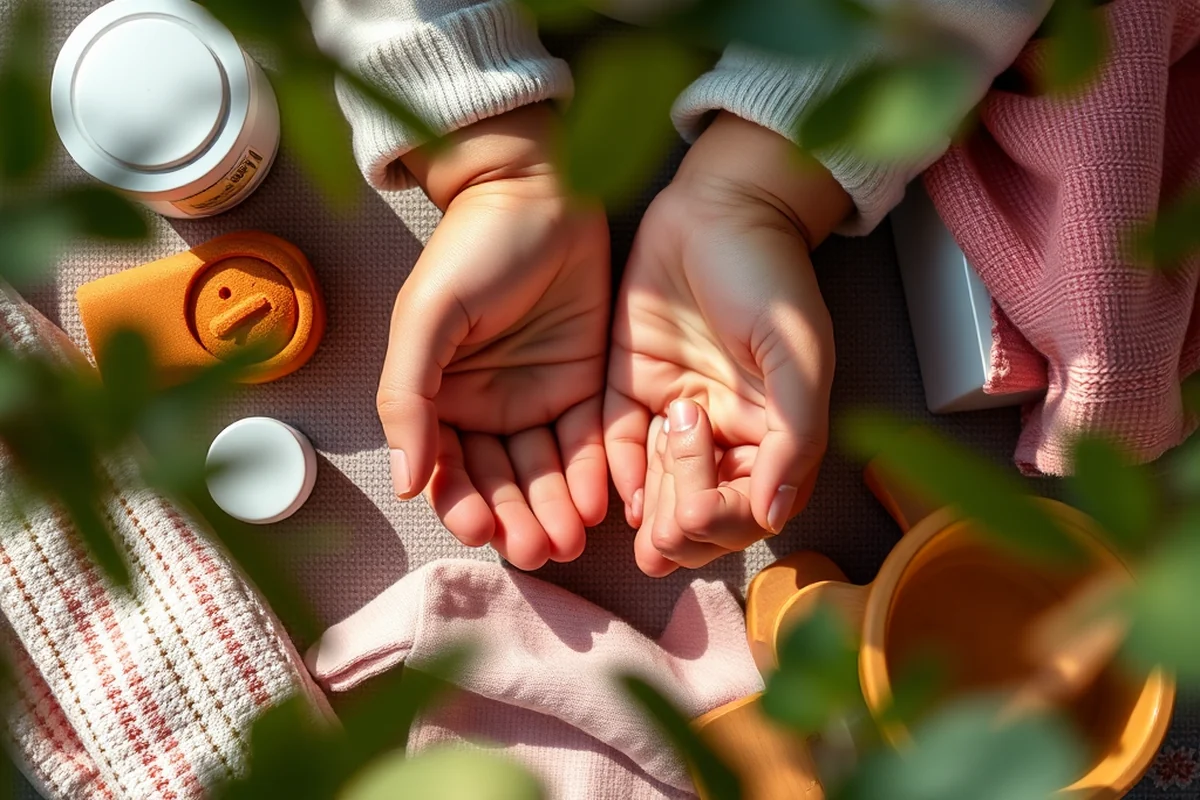
I used to ignore naptime hygiene — I didn’t think it was that important. But then I realized that my toddler was often waking up with dirty hands, and he’d start the day again with the same mess. That’s when I introduced a simple naptime hygiene for toddler checklist: brush teeth, wash hands, change into clean clothes. It was a small addition, but it made a big difference in the overall cleanliness of the day.
I started by making sure that the room was clean before naptime. I used a small, washable mat that I could roll up and take with me. I also introduced a small toothbrush that he could use to brush his teeth before sleeping. It was a little thing, but it helped him feel more prepared for the day ahead.
Now, naptime is a more peaceful experience. I’ve noticed that he’s less fussy and more cooperative during the day. It’s not perfect — he still gets dirty — but the checklist has made a noticeable difference. It’s a small step in the right direction, and one that helps reinforce good habits throughout the day.
Related: Toddler hygiene routine checklist
The Power of Visuals in Hygiene for Toddler Checklist
I used to rely on verbal instructions, but they didn’t seem to work. My toddler would forget the steps, and I’d be left repeating them over and over. That’s when I realized that visuals were the key. I started using a simple checklist with pictures — a handwashing step, a toothbrush step, a clean clothes step. It was a small change, but it made a big impact.
I printed out a small poster that I could stick on the bathroom wall. Each step had a picture and a simple word. I also used a small, waterproof checklist that I could stick on the fridge. It was a constant reminder of what needed to be done, and it made it easier for my toddler to follow the steps.
Now, I can see the difference that visuals have made. My toddler is more independent, and he’s even started to point to the checklist on his own. It’s a small step in the right direction, and one that has helped me feel more confident in the process.
Related: Toddler hygiene checklist troubleshooting
The Role of Consistency in a Hygiene for Toddler Checklist
I used to think that if I was consistent, my toddler would follow the checklist. But that wasn’t the case — he would forget steps, or he’d get distracted. That’s when I realized that consistency wasn’t just about following the same routine — it was about making sure that I was there to support him every step of the way.
I started by making sure that I was the one who led the routine. I would sit with him at the sink, and we’d go through the steps together. I also made sure that I was available to help him when he needed it — even if it meant staying with him for a few extra minutes. It was a small change, but it made a big impact.
Now, I see the value in being consistent. I’ve noticed that when I’m there to support him, he’s more cooperative and more willing to follow the checklist. It’s not perfect — he still gets distracted — but the consistency has made a noticeable difference. It’s a small step in the right direction, and one that helps reinforce good habits throughout the day.
Consistency isn’t just about routines — it’s about being there for your toddler every step of the way.
Related: Toddler hygiene checklist alternatives
The Long-Term Impact of a Hygiene for Toddler Checklist
I used to think that the checklist was just a temporary fix — something that would help us get through the chaos of toddlerhood. But over time, I realized that the checklist had a much bigger impact. It wasn’t just about making the days run smoother — it was about helping my toddler develop a sense of responsibility and independence.
I’ve noticed that he’s more aware of his surroundings now. He knows when he needs to wash his hands, and he even helps me remind his brother sometimes. It’s a small step, but it’s a big win in the long run. The checklist has become a part of our daily lives, and it’s something that we both look forward to.
Now, I see the long-term impact of the checklist — not just in the immediate benefits, but in the way it’s shaping my toddler’s behavior. It’s not perfect — he still needs reminders — but the progress we’ve made is undeniable. It’s a small step in the right direction, and one that has helped me feel more confident in the process.
🌸 Gentle Approach
This approach focuses on positive reinforcement and gentle guidance, using praise and small rewards to encourage compliance.
⚡ Fast-Track Method
Ideal for busy parents, this method focuses on the most essential steps and streamlines the routine to make it more efficient.
✈️ Travel/away-from-home
Tailored for parents on the go, this variation includes portable hygiene tools and quick routines for on-the-go cleaning.
👶 Multiples
This version is designed for parents with multiple children, with a focus on creating a routine that works for all of them at once.
🔄 Regression Reset
A variation for parents who are facing a regression in their toddler’s hygiene habits, with a focus on re-establishing the routine through structured steps.
| The mistake | Why it happens | The fix |
|---|---|---|
| Forcing the checklist on the toddler without explanation | Toddlers need to understand the purpose behind the routine. Forcing it without explanation can lead to resistance and a lack of engagement. | Explain the steps in a way that’s easy for your toddler to understand. Use simple language and visuals to make the process more engaging. |
| Changing the checklist too often | Frequent changes can confuse the toddler and make it harder for them to develop consistency. | Stick to the same checklist for at least a few weeks before making any changes. Consistency is key to helping your toddler develop a routine. |
| Not being involved in the routine | If you’re not present during the routine, your toddler may not take it seriously or may not understand the importance of following the checklist. | Be actively involved in the routine. Sit with your toddler and go through the steps together to show them that you care about the process. |
| Ignoring the toddler’s preferences | Toddlers may become resistant if they feel that the routine is not taking their preferences into account. | Allow your toddler to choose some aspects of the routine, such as the order of steps or the type of towel they use. This can increase their engagement and willingness to participate. |
Hygiene For Toddler Checklist
Common Questions
How long does it take for a toddler to develop a consistent hygiene routine?
What should I do if my toddler refuses to follow the checklist?
Can I use the same checklist for multiple children?
How can I make the checklist more fun for my toddler?
References
- Health and Safety Checklist for Early Care and Education Programs (cchp.ucsf.edu)
- Addressing Incontinence for Children with Disabilities: A School ... (cdci.w3.uvm.edu)
- Child Care Environment: General Safety Checklist (extensionpubs.unl.edu)
- Checklist for Child Care Staff: Best Practices for Good Oral Health (headstart.gov)
- 2.5 Clean and Healthy Classrooms – Continuing Education (mlc-wels.edu)
Cite this guide
Toddler Hygiene Habits (2026). Hygiene For Toddler Checklist. https://rinseplay.com/hygiene-for-toddler-checklist/
Feel free to cite or share this guide.
Toddler Hygiene Habit Plan
Two-week stepwise plan to build toddler handwashing, toothbrushing or bath habits.
Open it free →