
Toddler Hygiene Checklist Alternatives
📖 Table of Contents
- Why Traditional Checklists Can Backfire
- How to Create a Rhythm Without a List
- The Power of Play in Hygiene Routines
- The Minimalist Approach: Less Is More
- Involving Your Toddler in the Process
- The Importance of Consistency Over Perfection
- Using Positive Reinforcement to Encourage Participation
- Make It Your Way
- Frequently Asked Questions
I remember the first time I realized my toddler’s bath time had become a battlefield. It wasn’t the soap or the water that was the problem—it was the checklist. Every time I tried to follow a toddler hygiene checklist, it felt like I was turning a simple routine into a military operation. I was overthinking it, and it was making me—and my child—stressed. That’s when I started looking for alternatives, not just to simplify things, but to make them enjoyable for both of us. The journey led me to some surprisingly effective methods that don’t require a list, a timer, or a sense of dread.[1]
After weeks of trial and error, I found that the key was not in the checklist itself, but in the approach. Instead of focusing on every single task, I began prioritizing what really mattered. I stopped measuring success in the number of steps completed and started celebrating moments of cooperation, like a child who willingly reached for a towel or a smile during toothbrushing. It was a shift that didn’t just make hygiene easier—it made it feel like part of our day, not an obstacle to be overcome.[2]
The toddler hygiene checklist alternatives I discovered are now part of my everyday routine, and they’ve transformed the way we approach cleanliness. These methods are not just about saving time or reducing stress; they’re about building trust, creating habits, and fostering a sense of ownership in my child. If you’ve ever felt overwhelmed by the idea of keeping up with a toddler’s hygiene, I promise you, there’s a better way. And it starts with letting go of the checklist and rediscovering what really works.[3]
Why You'll Love This Alternative Hygiene Approach
- It reduces stress and makes routines feel natural, not forced.
- It allows your child to participate without pressure or fear.
- It builds independence and self-awareness over time.
- It makes hygiene a shared, joyful experience rather than a chore.
Why Traditional Checklists Can Backfire
As of September 2026, I used to think that a checklist was the only way to ensure my toddler was clean, well-groomed, and ready for the day. But what I didn’t realize was that it was making the process feel like a test. I was constantly checking off items, and my child was checking out. It was like trying to teach a toddler to play piano by handing them a list of notes to practice—there was no joy in it, just frustration.[4]
One day, I noticed my child avoiding bath time when the checklist was in play. I realized that the pressure of completing every task was making them feel like they were being judged. Instead of enjoying the water, they were trying to avoid the scrutiny. It was a wake-up call that my approach needed a complete overhaul.
I took a step back and started focusing on the big picture. I stopped asking myself, 'Did I complete the checklist?' and instead asked, 'Did my child feel supported?' The change didn’t just make the process easier—it made it more meaningful for both of us.
Try replacing the word 'checklist' with 'routine' and ask your child how they feel about the process, not how many steps they completed.
Part of our Types of toddler hygiene checklist guide.
How to Create a Rhythm Without a List

One of the most effective alternatives I found was creating a rhythm instead of following a list. Rhythm gives toddlers a sense of predictability, and that predictability is what makes them feel safe. When I started using a consistent order of events—like always washing hands before meals or brushing teeth after dinner—it became a natural part of their day.
I didn’t need to write down every step; I just had to be consistent. The first time I tried this, my toddler didn’t even question the change. They just went along with it. It wasn’t perfect, but it was progress. And it didn’t require a checklist to make it work.
The rhythm became our unspoken agreement. We didn’t need to say, 'It’s time for bath time,' because the routine was already in place. It was a shift from control to collaboration, and it made all the difference.
Rhythm, not lists, is what makes toddler hygiene feel like a shared experience.
Related: Affordable toddler hygiene checklist
The Power of Play in Hygiene Routines
I remember the first time I turned bath time into a game. I told my toddler we were going to ‘catch bubbles’ and ‘rescue splashes,’ and within minutes, they were laughing and splashing with joy. It was a revelation—hygiene didn’t have to be a battle; it could be an adventure.
I started incorporating toys, songs, and even simple challenges like seeing who could float the longest or who could count how many bubbles they made. It wasn’t just about cleaning; it was about creating a memory and making them feel like they were part of the experience.
The result was a child who now looks forward to bath time and even helps me clean up afterward. It didn’t happen overnight, but the shift from a checklist to a game made all the difference.
Try playing a ‘toothbrush dance’ or a ‘soap race’ to make hygiene tasks more fun and engaging.
“I remember the first time I realized my toddler’s bath time had become a battlefield.”— Toddler Hygiene Habits editors
Related: Toddler hygiene checklist comparison
The Minimalist Approach: Less Is More
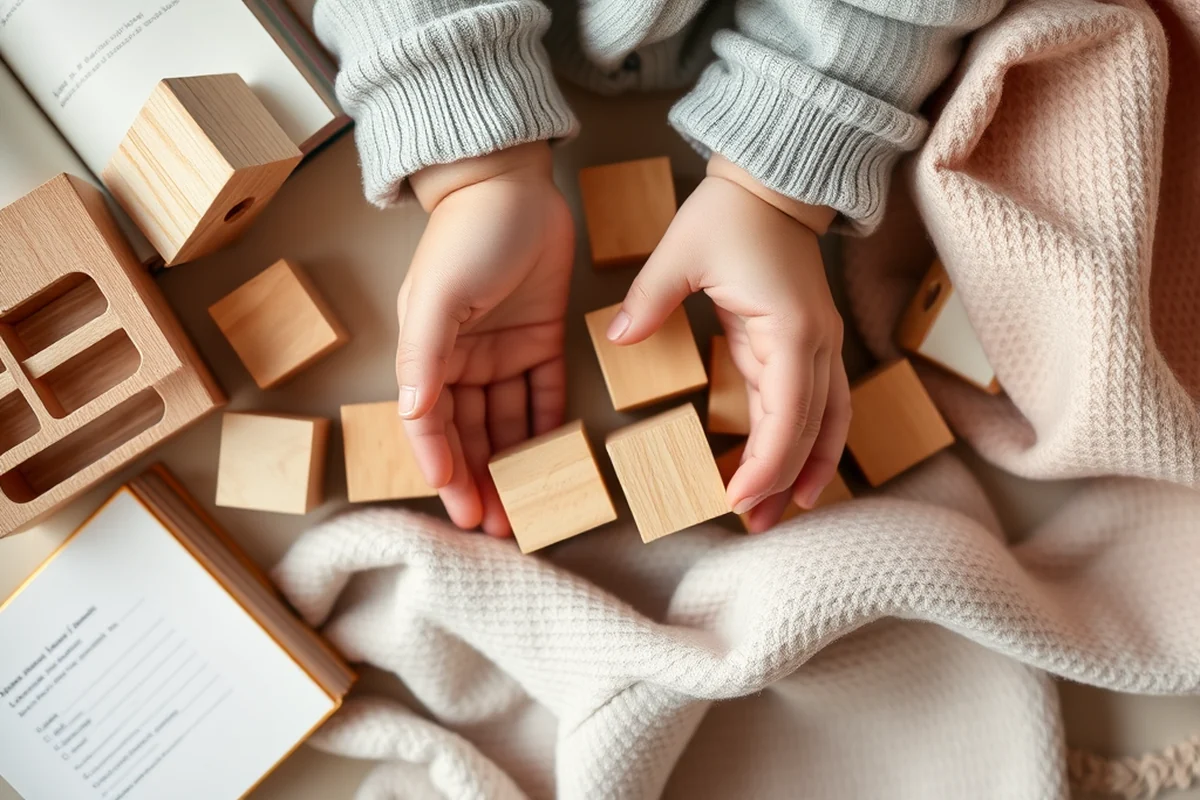
I used to worry that I wasn’t doing enough. I’d read articles about the importance of a full skincare routine and start to feel like I was missing out. But one day, I realized that my child didn’t need all the steps I was trying to fit into a day. What they needed was a simple, consistent routine that worked for us.
I cut out the extra steps and focused on the essentials: washing hands, brushing teeth, and taking a short bath. The result was less stress and more time for us to connect. My toddler didn’t mind the simpler routine, and I didn’t feel like I was falling behind.
The minimalist approach isn’t about skipping hygiene—it’s about focusing on what truly matters and letting go of the unnecessary. It’s a shift in mindset that makes a big difference.
Related: Best toddler hygiene checklist
Involving Your Toddler in the Process
One of the most important things I learned was that my toddler needed to feel like they had a say in the process. I stopped doing everything for them and started asking for their help. It was a small change, but it made a huge difference in how they responded to hygiene tasks.
I would let them choose which towel to use or which soap to grab. It was a small decision, but it made them feel like they were part of the process. And when they felt like they had control, they were more willing to participate.
The more I involved my toddler, the more they started to take ownership of their own hygiene. It wasn’t perfect, but it was progress, and it was a step toward building a routine that worked for both of us.
Related: Top toddler hygiene checklist
The Importance of Consistency Over Perfection
I used to get frustrated when my toddler didn’t follow the routine perfectly. It was easy to get discouraged when they didn’t want to brush their teeth or didn’t want to take a bath. But over time, I realized that consistency, not perfection, was what really mattered.
It wasn’t about getting every step right; it was about showing up every day and making the effort. Even if my toddler only brushed their teeth once a day, I knew that I was still making progress. The consistency was what kept them on track.
I learned to celebrate the small victories instead of focusing on the setbacks. That shift in mindset made the process feel more natural and less stressful for both of us.
Consistency is the glue that holds a good hygiene routine together.
Related: House cleaning checklist
Using Positive Reinforcement to Encourage Participation
I used to feel like I had to force my toddler to participate in hygiene tasks, but I quickly realized that wasn’t the right approach. Instead, I started using positive reinforcement to encourage them to take part. This meant praising them for small efforts, like holding the toothbrush or helping to wash their hands.
I found that even a simple 'Great job!' or a sticker made a big difference in how my toddler responded to hygiene tasks. It wasn’t about bribing them, but about showing them that their efforts were noticed and appreciated.
The more I used positive reinforcement, the more my toddler started to take ownership of their hygiene. It wasn’t always perfect, but it was a shift that made the process more enjoyable for both of us.
🧸 Gentle Approach
This approach is ideal for sensitive toddlers who may feel overwhelmed by strict routines. It focuses on creating a calm, supportive environment where hygiene tasks feel like a natural part of the day.
⏱️ Fast-Track Method
For parents who need to move quickly through the day, this method streamlines hygiene tasks into short, efficient steps that can be completed in minutes without sacrificing quality.
✈️ Travel/away-from-home Method
This method is designed for busy parents who are on the go. It focuses on portability and efficiency, making it easier to maintain hygiene routines even when you're away from home.
👶 Multiples Method
This approach is tailored for parents with more than one toddler. It emphasizes simplicity and consistency, making it easier to manage hygiene tasks for multiple children at once.
🔄 Regression Reset
This method is for parents who are dealing with a toddler who has regressed in their hygiene habits. It focuses on rebuilding trust and creating a new routine that works for both parent and child.
| The mistake | Why it happens | The fix |
|---|---|---|
| Relying too much on a checklist | Checklists can make the process feel forced and create stress for both parent and child. | Instead of relying on a checklist, focus on creating a rhythm and a routine that feels natural and engaging. |
| Forcing participation without allowing choice | Toddlers need to feel like they have control in order to cooperate. Forcing them can lead to resistance and disengagement. | Involve your toddler in the process by letting them make small decisions, like choosing a towel or a soap. |
| Focusing on perfection instead of consistency | Perfection can be stressful and unattainable, making the process feel overwhelming. | Focus on consistency instead of perfection. Small, regular efforts are more important than getting everything right every time. |
| Ignoring the emotional aspect of the process | Toddlers are highly sensitive and emotional. Ignoring their feelings can make the process feel more like a chore than a shared experience. | Pay attention to your toddler’s emotions and respond with empathy and support. This helps create a positive, engaging environment. |
Toddler Hygiene Checklist Alternatives
Common Questions
How do I know if my toddler is ready for a checklist alternative?
Can I still use some elements of a checklist with this alternative approach?
How long does it take to see results with this alternative approach?
What if my toddler still resists some hygiene tasks?
References
- How Healthcare Professionals May Support 5210 Healthy Children (5210.psu.edu)
- Health and Safety Checklist for Early Care and Education Programs (cchp.ucsf.edu)
- DRDP (2015) Preschool - Child Development (CA Dept of Education) (cde.ca.gov)
- Hazardous Materials Information for Child Care Providers (childcareta.acf.hhs.gov)
Cite this guide
Toddler Hygiene Habits (2026). Toddler Hygiene Checklist Alternatives. https://rinseplay.com/toddler-hygiene-checklist-alternatives/
Feel free to cite or share this guide.