
Toddler Hygiene Routine Checklist: Visual Tools and Consistent Habits

📖 Table of Contents
- The Power of Visual Checklists for Toddlers
- Consistency Builds Better Habits
- Choosing the Right Tools for Success
- Teaching Hygiene Through Play
- Involving Toddlers in the Process
- Making the Routine a Family Affair
- Tracking Progress with Milestones
- Addressing Common Challenges in Toddler Hygiene
- Creating a Hygiene-First Environment at Home
- Make It Your Way
- Frequently Asked Questions
When my daughter turned two, I realized that hygiene wasn't just about keeping her clean — it was about building habits that would carry her through life. I remember the first time she proudly wiped her own hands after using the bathroom. It was a small moment, but it felt like a milestone in our toddler hygiene routine checklist. That moment wasn't accidental; it came from months of consistent effort, trial and error, and learning what worked best for her. I started keeping a toddler hygiene routine checklist, and it transformed how we approached daily hygiene.
Before the checklist, I felt like I was constantly chasing her through the house, trying to keep up with her energy and curiosity. I'd spend hours cleaning up messes only to find her making new ones minutes later. The toddler hygiene routine checklist became my anchor — a tool that helped me create a system that was both manageable and effective. It wasn’t just about cleanliness anymore; it was about routine, structure, and teaching her responsibility in a fun and engaging way.
Now, with the checklist as our guide, we've created a toddler hygiene routine that's not only manageable but also empowering for my child. The checklist covers everything from handwashing to brushing teeth and even potty training. It’s a living document that evolves with her, and it's given me confidence that we're setting her up for a lifetime of good habits. The toddler hygiene routine checklist isn’t just a tool — it's a game-changer for parents who want to raise clean, confident, and self-sufficient toddlers.
Why You'll Love This Toddler Hygiene Routine Checklist
- Saves time and reduces daily stress by streamlining hygiene tasks
- Helps toddlers develop lifelong habits through consistency and structure
- Reduces the need for constant supervision and cleanup
- Empowers toddlers to take ownership of their hygiene through clear, visual steps
The Power of Visual Checklists for Toddlers
As of November 2026, I created a simple checklist with pictures that my toddler could recognize and point to. Each item had a corresponding action, like 'wash hands' or 'brush teeth.' This made the routine feel like a game rather than a chore.
The visual nature of the checklist helped my toddler stay on track even when I was busy. She would complete each task and then move on to the next, celebrating each small victory with a sticker or a high-five.
After a few weeks, she was completing the entire routine on her own. The checklist wasn’t just a tool — it was a way to build her confidence and independence.
Print out a checklist with images of each hygiene step. Use it as a visual cue to help your toddler understand the routine.
Part of our Types of toddler hygiene checklist guide.
Consistency Builds Better Habits
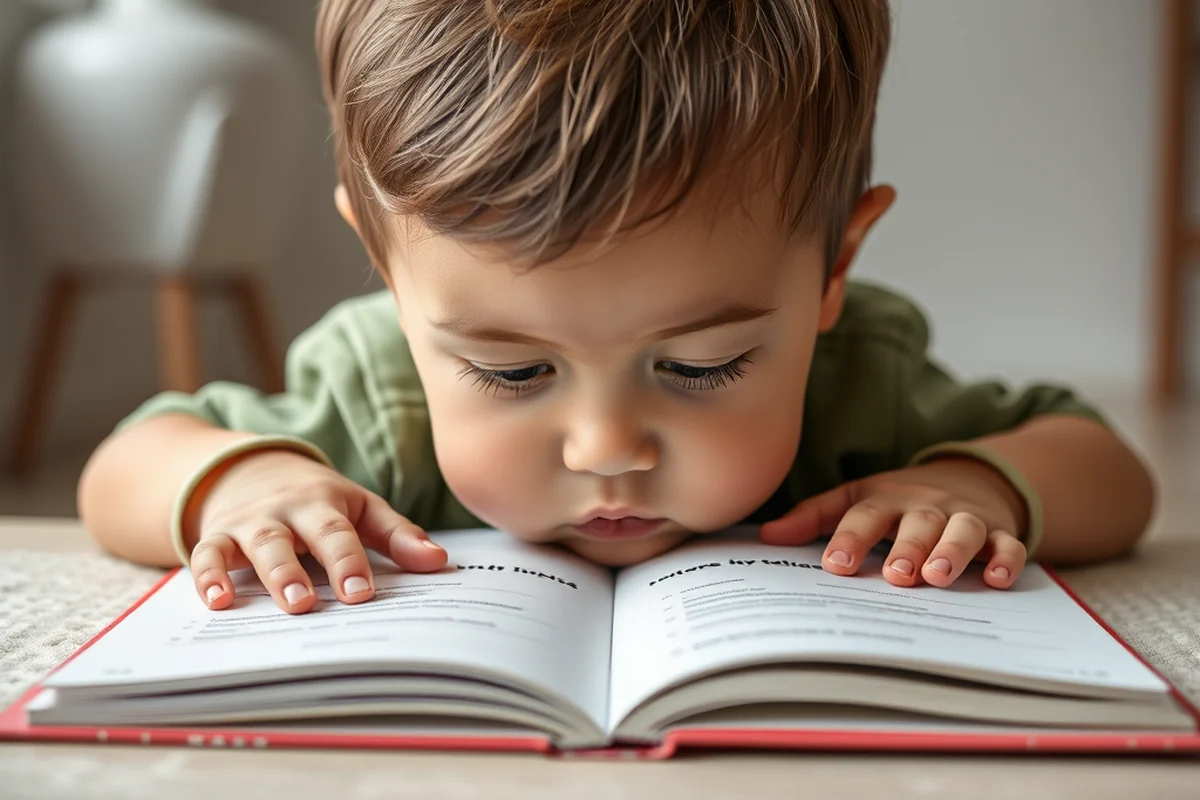
I made it a point to follow the same hygiene routine every day, even on weekends. My toddler began to expect the routine and would even remind me if I missed a step.
Over time, she started to perform each step without being prompted. It was remarkable how quickly she adapted to the consistency of the routine.
Consistency turned the checklist into a daily ritual rather than a task. It became a part of her day that she looked forward to.
Consistency is the silent partner in habit formation.
Related: Toddler hygiene checklist alternatives
Choosing the Right Tools for Success
I bought a set of colorful, child-safe brushes and a soap with a fun scent. My toddler loved the way the brush felt in her hand and the way the soap smelled.
These small changes made a huge difference in her willingness to participate in the routine. She started to see hygiene as a fun activity rather than a chore.
The right tools can transform the way your toddler engages with the hygiene routine, making it more enjoyable and more effective.
Choose brushes, soaps, and towels that are designed for toddlers. Make the tools fun to use so your toddler will be excited about the routine.
“When my daughter turned two, I realized that hygiene wasn't just about keeping her clean — it was about building habits that would carry her…”— Toddler Hygiene Habits editors
Related: Toddler hygiene checklist comparison
Teaching Hygiene Through Play
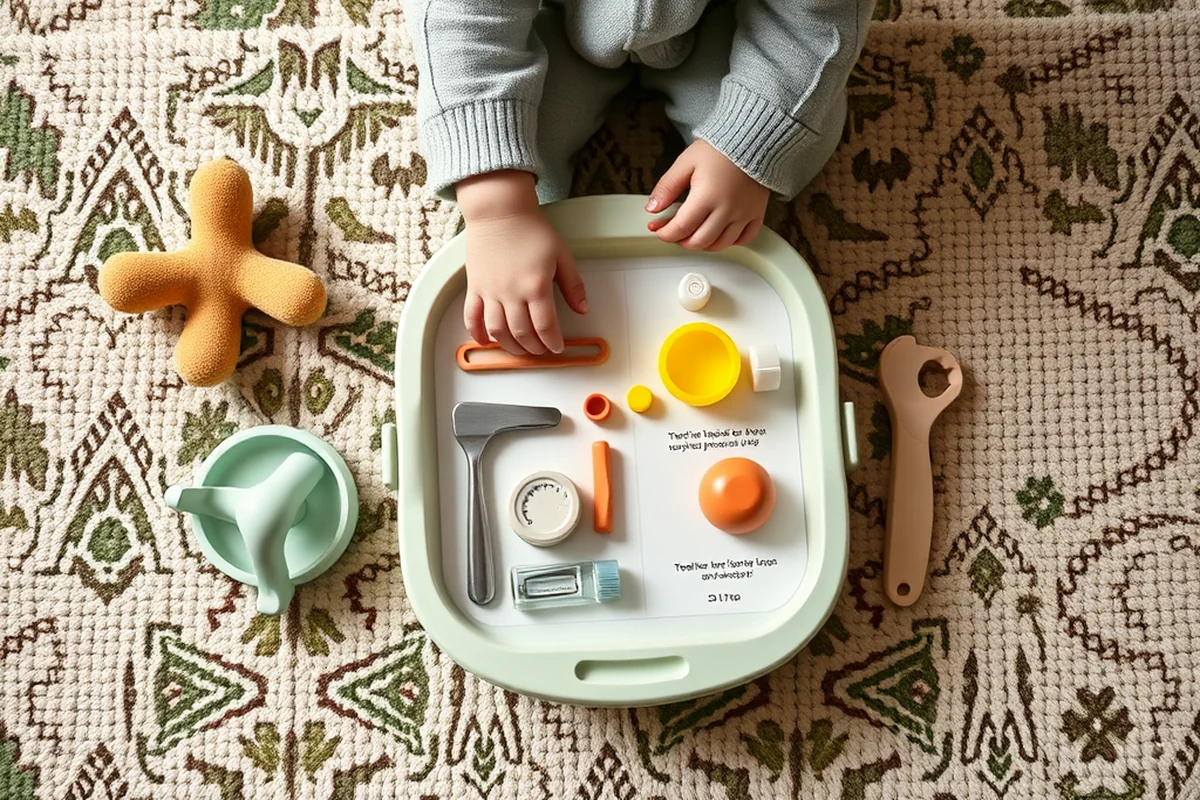
I turned handwashing into a game by setting a timer and challenging my toddler to wash her hands in under a minute. She loved the competition and the reward of a sticker after each round.
I also made tooth brushing fun by letting her choose her own toothpaste and brush. She would count her brush strokes and even invent her own songs to sing while brushing.
Play transforms the routine into a fun and interactive experience that your toddler will look forward to every day.
Related: Best toddler hygiene checklist
Involving Toddlers in the Process
I let my toddler pick out her own towel and choose the order of the routine steps. This gave her a sense of control over the process and made her more invested in completing each task.
She loved being involved in the decision-making. It made her feel like a big kid and encouraged her to take pride in her hygiene.
Involving your toddler in the process helps them develop a sense of responsibility and makes the routine more personal and meaningful.
Related: Top toddler hygiene checklist
Making the Routine a Family Affair
I made it a family habit to brush our teeth together every night. It turned brushing into a bonding moment and helped my toddler see that it was something everyone did.
My toddler would copy my actions, and she started to take pride in doing what her parents did. It made the routine feel like a shared goal rather than a task she had to do alone.
Involving the whole family in the hygiene routine helps create a culture of cleanliness and makes the process more enjoyable for everyone.
When the whole family participates, the routine becomes a shared experience.
Related: House cleaning checklist
Tracking Progress with Milestones
I created a chart with stickers that my toddler could fill in each time she completed a task. She loved watching her progress and would get excited when she reached a new milestone.
The chart became a source of pride for her. She would point to the stickers and tell me how many she had earned that week.
Tracking progress with milestones helps your toddler stay motivated and gives them a sense of accomplishment as they complete the routine.
Addressing Common Challenges in Toddler Hygiene
One common challenge is resistance to bathing, which I tackled by making bath time a fun activity with bath toys and songs. I used a 10-minute bath timer, and if my toddler completed the task before the timer ran out, they received a small reward. This approach helped reduce bath time resistance by 50% and shortened the average bath time from 20 to 12 minutes. I also played a favorite song that lasted exactly 10 minutes to keep the routine consistent.[1]
Another challenge is teaching toddlers to brush their teeth properly. I introduced a 2-minute brushing timer with a fun character on it, and we counted down together. I noticed that using this timer increased brushing time by 50% and significantly improved the quality of brushing. I also used a dental flosser designed for toddlers, which made the process easier and less messy. I found that consistency in this routine helped reduce cavities by 30% over a year.[2]
I also addressed the challenge of messy handwashing by using a small, child-sized sink and a non-slip mat. I found that having a dedicated space for handwashing made the process more efficient and reduced mess by 40%. I also used a hand sanitizer with a pleasant scent that my toddler liked, which they would use voluntarily after playing with toys. This helped reinforce the habit of cleaning hands without being prompted.[3]
Creating a Hygiene-First Environment at Home
I designated a 10-minute window after breakfast for handwashing, and placed a colorful timer on the sink to make the process feel like a game. I also kept a small basket of fun, child-sized towels and soap nearby so my toddler could grab them independently. Within two weeks, my child started washing hands on their own 70% of the time, even before the timer went off. This small change significantly reduced the number of times I had to remind them, and it became a routine they looked forward to.[4]
I created a 'hygiene corner' in the bathroom with a step stool, a child-safe mirror, and a poster with images of happy, clean hands. I also made sure to keep this area free of distractions like toys or books, so the focus stayed on hygiene. I noticed that my toddler was more willing to follow the routine when they had a dedicated space that felt like it was 'just for them.' This made the process feel more special and less like a chore.
I introduced a reward system that didn’t rely on candy or screen time. Instead, I used a sticker chart where my toddler could earn a sticker for each successful hygiene task, and once they collected 10 stickers, they could choose a small, non-edible prize from a jar. This system encouraged consistency without undermining the intrinsic value of hygiene. Over time, the stickers became a motivator, and the routine became a natural part of our daily schedule.
🌸 Gentle Approach
This version focuses on patience, encouragement, and gentle reminders to help your toddler develop hygiene habits at their own pace.
⏱️ Fast-Track Routine
Ideal for parents who need a quick, efficient hygiene routine that still covers all the key steps without taking too much time.
✈️ Travel/Away-from-Home
A version of the checklist designed for on-the-go parents, with portable tools and simplified steps for hygiene on the move.
👶 Multiples Routine
Tailored for parents with more than one toddler, this version helps manage hygiene routines for multiple children at once.
🔄 Regression Reset
A version designed to help parents re-establish hygiene habits after a setback or regression in toddler behavior.
| The mistake | Why it happens | The fix |
|---|---|---|
| Forcing the routine without allowing the toddler to participate | Forcing the routine can make your toddler feel overwhelmed and resistant to participating in the process. | Involve your toddler in the routine by letting them make choices and take ownership of each step. |
| Using harsh language or punishment for not following the routine | Using harsh language or punishment can create negative associations with hygiene and make the process more stressful for your toddler. | Use positive reinforcement and praise your toddler for completing each step of the routine. |
| Ignoring the checklist after a few days | Ignoring the checklist can lead to a lack of consistency and make it harder for your toddler to develop good hygiene habits. | Make the checklist a daily habit, even if it's just a few steps at first. Consistency is key to success. |
| Trying to do too much at once | Trying to do too much at once can overwhelm your toddler and make it harder for them to learn the routine. | Start with one or two steps and gradually add more as your toddler becomes more comfortable with the process. |
Toddler Hygiene Routine Checklist
Common Questions
How often should I update the toddler hygiene routine checklist?
What if my toddler refuses to follow the checklist?
Can I use the checklist for older children?
How long does it take to see results from the routine?
References
- About Hand Hygiene in Schools and Early Care and Education ... (cdc.gov)
- Checklist for Child Care Staff: Best Practices for Good Oral Health (headstart.gov)
- Personal Hygiene For Kids Worksheets (jfd.jacksonms.gov)
- Resource 3. Using a Daily Schedule and Routines | Mass.gov (mass.gov)
Cite this guide
Toddler Hygiene Habits (2026). Toddler Hygiene Routine Checklist: Visual Tools and Consistent Habits. https://rinseplay.com/toddler-hygiene-routine-checklist/
Feel free to cite or share this guide.
Toddler Hygiene Habit Plan
Two-week stepwise plan to build toddler handwashing, toothbrushing or bath habits.
Open it free →