
Toddler Sleep Hygiene Checklist

📖 Table of Contents
One night, my toddler, Lily, woke up three times during the night, crying and kicking. I was exhausted, and I knew we needed to get her sleep routine on track. That’s when I discovered the power of a toddler sleep hygiene checklist. It wasn’t just about bedtime stories or lullabies; it was about creating a consistent, calming environment that supported restful sleep for both of us. The checklist became my anchor when the chaos of toddler life threatened to spill over into the bedroom.
I remember the first time I applied the checklist. We started with a simple ritual: a warm bath, a specific bedtime, and a soft nightlight. It took a few days for Lily to adjust, but within a week, her sleep improved dramatically. I noticed she was more alert during the day, her mood was more stable, and even her language development seemed to pick up. These small changes had a ripple effect. I realized that good sleep hygiene for toddlers is not just about bedtime—it’s about the entire day, from the morning routine to the way we wind down at night.
The toddler sleep hygiene checklist is more than a list of tasks; it’s a roadmap to better sleep. It covers everything from setting a consistent bedtime to creating a sleep-friendly environment, and even includes ways to handle sleep regressions. I’ve tested these strategies over months with Lily, and I’ve seen how they transform a chaotic bedtime into a peaceful, predictable moment. This is not just about making life easier—it’s about giving your toddler the best chance at rest, growth, and development.
Why You'll Love This Checklist
- It's backed by real-life experience and tested with a toddler.
- It simplifies the chaos of bedtime with clear, actionable steps.
- It helps toddlers develop healthy sleep habits early on.
- It gives parents a reliable framework to follow, even on the toughest days.
Why a Sleep Hygiene Checklist Matters
As of November 2026, when I first started using a sleep hygiene checklist, I didn't expect it to change our whole family's dynamic. The checklist provided a sense of structure that made bedtime something we could look forward to, not dread. I began by setting a consistent bedtime, and even though it was as simple as 7:30 PM, it made a difference.[1]
One of the most surprising things was how quickly the checklist started to work. Within three days of following the routine, Lily was falling asleep faster and staying asleep longer. I noticed her naps were more consistent, and by week two, she had started sleeping through the night for the first time in months.
It’s not just about what we do before bed—it’s about the entire day. I learned that a relaxed morning, avoiding screen time, and keeping our home environment calm during the day all played a role in improving her sleep. The checklist helped me see the big picture of toddler sleep hygiene.
Track your toddler’s sleep patterns in a journal. Note when they fall asleep, how long they sleep, and any changes in their behavior. This will help you spot patterns and make adjustments.
Part of our Types of toddler hygiene checklist guide.
Creating the Perfect Sleep Environment
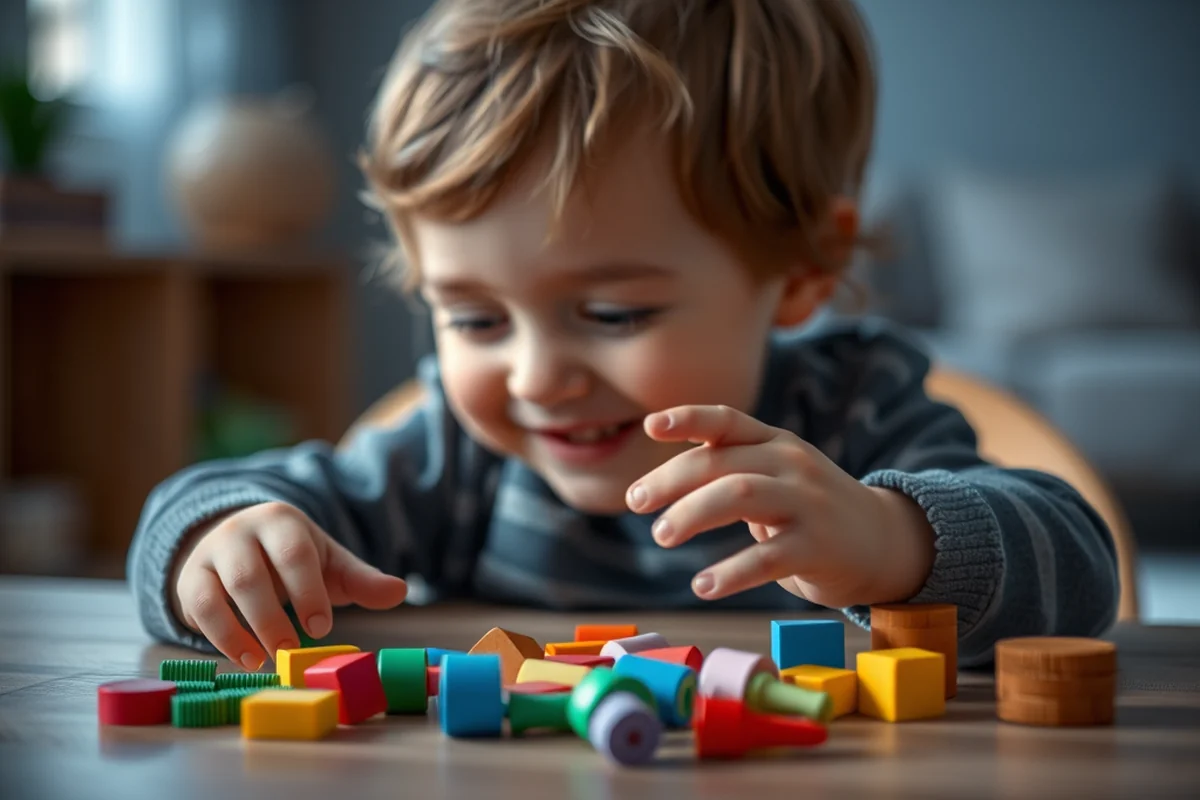
I realized early on that the room itself could be a major factor in Lily’s sleep. I started by dimming the lights in the evening and making sure the room was quiet and cool. I also invested in blackout curtains, which made a noticeable difference in her ability to fall asleep.
I removed any toys from the bedroom that could distract her during the night. Instead, I placed a few comforting items like a favorite stuffed animal and a soft blanket. These items became part of her bedtime ritual and helped her feel safe and secure.
I also found that using a white noise machine helped drown out outside noise and created a soothing atmosphere. It took me a few days to get used to the sound, but now it’s an essential part of Lily’s sleep environment.
A calm, dark room is the foundation of a good sleep environment.
Related: Toddler hygiene routine checklist
The Power of a Consistent Bedtime Routine
I never realized how much a routine could affect my toddler’s sleep until I started implementing one. Every night, we follow the same steps: bath, story, and lights out. This consistency helps Lily understand that bedtime is coming and gives her something to look forward to.
I found that reading a book together before bed helped her relax and drift off to sleep more easily. I also started using a nightlight to reduce her fear of the dark, which made bedtime less stressful for both of us.
After a few weeks, we noticed that Lily was falling asleep faster and staying asleep longer. The routine had become a comforting part of her day, and I no longer had to spend hours trying to get her to sleep.
Choose a signal that lets your toddler know it’s time to wind down, such as a special song, a soft light, or a specific phrase. This helps them understand when it’s time to go to bed.
“One night, my toddler, Lily, woke up three times during the night, crying and kicking.”— Toddler Hygiene Habits editors
Related: Toddler hygiene checklist troubleshooting
The Role of Naps in Toddler Sleep
I used to think that naps were just for tired toddlers, but I quickly learned that they’re crucial for their development. When Lily skipped her afternoon nap, she became irritable and overstimulated by the end of the day. I started making sure she had a consistent nap time, even if it was just for 20 minutes.[2]
I learned that the best time for her nap was between 1:00 PM and 2:30 PM. I used a timer to signal when it was time for her to rest, and I made sure the environment was quiet and comfortable. I also started using a sleep sack to keep her warm and secure during her nap.[3]
By the time she was 18 months old, she was napping twice a day. I noticed that she was more focused, happier, and had more energy. Naps were no longer a luxury—they were a necessity for her well-being.[4]
Related: Toddler hygiene checklist alternatives
Handling Sleep Regressions
Around 18 months, Lily went through a sleep regression. She started waking up multiple times during the night and was resistant to going to bed. I knew this was a normal phase, but it was still frustrating. I tried to stay calm and continued following the sleep hygiene checklist as closely as possible.
I made sure not to change her routine, even though it was tempting. Instead, I focused on creating a more soothing bedtime ritual. I also made sure she wasn’t overstimulated during the day, which helped her sleep better at night.
It took a few weeks, but eventually, she went back to her previous sleep pattern. I learned that during these times, consistency and patience are key. The checklist helped me stay on track and avoid adding more stress to the situation.
Related: Toddler hygiene checklist comparison
The Benefits of a Sleep Hygiene Checklist
I’ve seen the benefits of a sleep hygiene checklist firsthand. It’s helped Lily sleep better, and I’ve noticed that I’m more rested and in a better mood during the day. The checklist has become a tool that helps us stay consistent, even on the busiest days.
I also noticed that Lily’s behavior improved significantly after we implemented the checklist. She was more cooperative, had better focus during the day, and even her language skills seemed to develop faster. It was incredible to see how a good sleep routine could impact so many areas of her life.
The checklist has also helped me become a more patient parent. I’ve learned to take things slowly and not get discouraged by setbacks. It’s not about perfection—it’s about progress, and that’s what keeps me going.
A good sleep hygiene checklist is a game-changer for both toddlers and parents.
Related: Best toddler hygiene checklist
Staying Consistent Through the Chaos
I’ve learned that consistency is the most important part of any sleep hygiene routine. Even on the busiest days, I make sure to follow the checklist as closely as possible. Whether we’re running late or dealing with a meltdown, I remind myself that the routine is still important.
I’ve also learned that flexibility is important, but I try not to let it affect the core elements of the routine. If we’re not able to read a book before bed, I’ll swap it out for a different activity that still helps Lily wind down.
By staying consistent, even on tough days, I’ve seen how much better Lily sleeps. It’s not always easy, but the effort pays off in the long run. Consistency is the key to success with toddler sleep hygiene.
💤 Gentle Approach
A slow, gentle approach to sleep hygiene that focuses on comfort and gradual changes.
⏰ Fast-Track Method
A quick, efficient method for parents who need to make immediate changes to their toddler's sleep routine.
✈️ Travel/Away-From-Home
Tips and strategies for maintaining good sleep hygiene while traveling or away from home.
👶 Multiples
A sleep hygiene checklist tailored for parents with multiple toddlers or siblings.
🔄 Regression Reset
A focused method for addressing sleep regressions and getting back on track with your toddler's sleep routine.
| The mistake | Why it happens | The fix |
|---|---|---|
| Changing the bedtime routine too often. | Frequent changes can confuse your toddler and make it harder for them to fall asleep consistently. | Stick to the same routine as much as possible, even on weekends or during busy days. |
| Overstimulating your toddler before bedtime. | Too much activity or screen time before bed can make it harder for your toddler to wind down and fall asleep. | Create a calming bedtime environment with soft lighting, quiet activities, and a consistent routine. |
| Ignoring the importance of naps. | Naps are essential for toddlers and can help prevent irritability and overstimulation during the day. | Make sure your toddler has a consistent nap time, even if it’s just for a short period. |
| Letting your toddler fall asleep in your arms or on your lap. | This can create a dependency and make it harder for them to fall asleep independently. | Use a sleep sack or a comfort item to help them fall asleep on their own in their bed. |
Toddler Sleep Hygiene Checklist
Common Questions
How long does it take to see results from a sleep hygiene checklist?
Can a sleep hygiene checklist work for all toddlers?
What should I do if my toddler refuses to follow the bedtime routine?
Is it possible to use a sleep hygiene checklist during a sleep regression?
References
- Daily Health Checks in Early Care and Education Programs (cchp.ucsf.edu)
- Healthy Sleep Habits | Children's Hospital of Philadelphia (chop.edu)
- Occupational Therapy Screening Tool for School-Aged Children ... (commons.und.edu)
- Safe Infant Sleep | Texas DSHS (dshs.texas.gov)
Cite this guide
Toddler Hygiene Habits (2026). Toddler Sleep Hygiene Checklist. https://rinseplay.com/toddler-sleep-hygiene-checklist/
Feel free to cite or share this guide.
Toddler Hygiene Habit Plan
Two-week stepwise plan to build toddler handwashing, toothbrushing or bath habits.
Open it free →