
Best Toddler Girl Hygiene

📖 Table of Contents
- The Morning Routine: A Daily Ritual
- Bathing Time: Making It Enjoyable
- Dressing for Success: Picking the Right Clothes
- Toileting Independence: Encouraging Self-Care
- Nail Care: A Simple but Important Detail
- Handwashing: A Lifesaving Habit
- Creating a Hygiene-Friendly Environment
- Make It Your Way
- Frequently Asked Questions
When my daughter turned two, I realized that her hygiene wasn't just about cleanliness — it was about building habits that would last a lifetime. I remember one morning, after a particularly messy breakfast, she looked up at me with wide eyes and said, 'Mommy, I want to be a big girl like you.' That moment stuck with me. I knew it was time to take her hygiene seriously. It wasn't just about wiping her face or brushing her teeth; it was about creating a routine that made her feel confident and prepared for the world.[1]
I spent weeks researching, testing products, and even watching videos of other parents. What I found was that the best toddler girl hygiene isn't a one-size-fits-all approach. It's a mix of routine, patience, and a little bit of creativity. I tried everything from DIY wipes to fancy electric toothbrushes, and I learned which ones actually worked. The goal wasn't just to get her clean — it was to make her excited about the process.[2]
What surprised me most was how quickly she picked up on the routine. Within a week of starting the 'bathroom dance' — a silly song we made up to brush our teeth together — she was singing it on her own. I saw the difference it made in her confidence and how she interacted with others. The best toddler girl hygiene isn't just about the products we use or the time we spend. It's about making it fun, making it a ritual, and making it something she looks forward to every day.[3]
Why You'll Love This Routine for Toddler Girls
- It creates a consistent daily ritual that builds confidence and independence.
- It uses gentle, kid-approved products that make the process enjoyable and stress-free.
- It helps establish lifelong hygiene habits through fun, sensory activities.
- It encourages a sense of pride and self-care that lasts into adulthood.
The Morning Routine: A Daily Ritual
As of November 2026, the morning is the perfect time to start the day with a gentle but consistent hygiene routine. I began by setting a specific time — right after breakfast — and I made it a shared experience. We'd sing a short song while she brushed her teeth, and I'd help her wash her hands with a scented, kid-friendly soap. It didn't take long, but it made her excited to get started.[4]
I used a timer that beeps after 2 minutes, and we'd count down together. She loved seeing the sand fall through the hourglass as we brushed. After that, we'd move on to washing her face with a soft cloth and a mild cleanser. I found that using a mirror helped her see what we were doing, and it made her feel more involved in the process.
Over time, she started to take ownership of the routine. She'd ask for the toothbrush or the cloth, and I'd let her do it herself if she was ready. It was a small step, but it made a big difference in how she viewed the process.
Use a child-friendly timer with a fun sound or visual indicator to help your toddler stay on track with brushing for the full 2 minutes.
Part of our Toddler girl hygiene problems guide.
Bathing Time: Making It Enjoyable
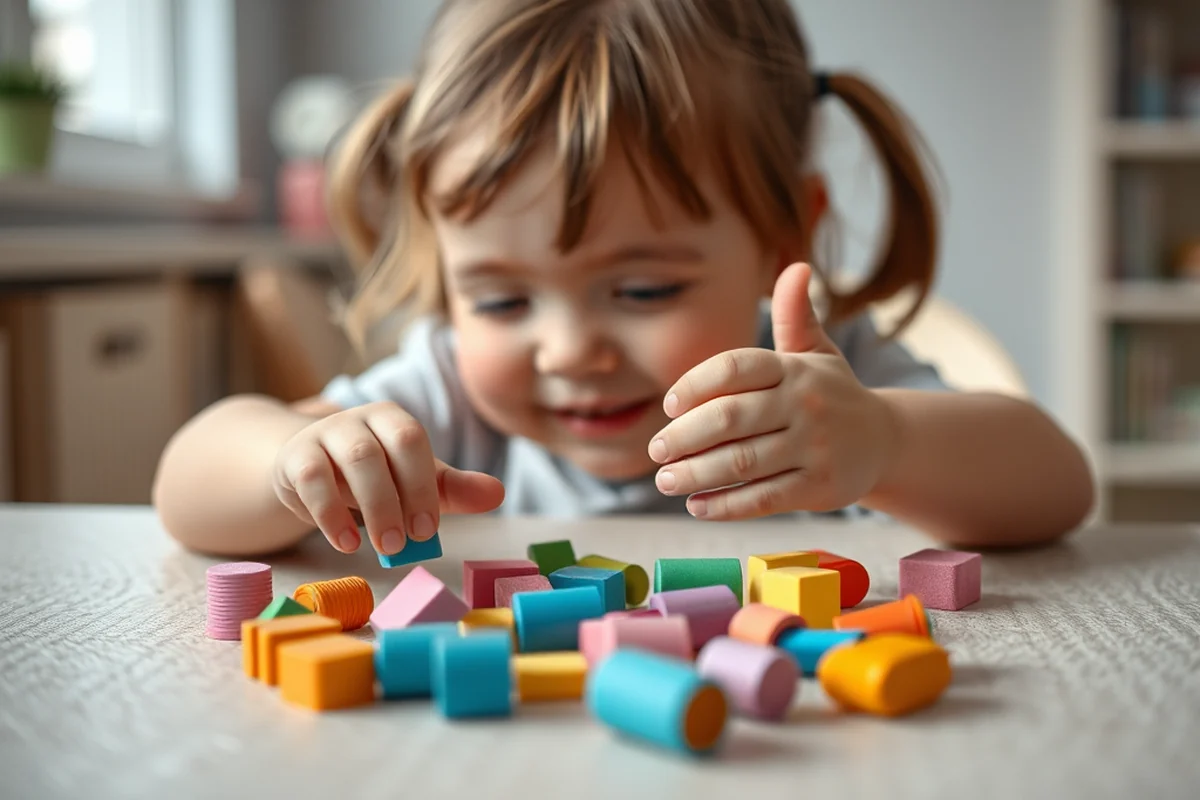
I used to dread bath time — it was a battle of wills, and I didn't want to make it a chore. So I tried something new: I turned it into a game. I bought a set of waterproof, colorful bath toys, and we'd take turns playing with them while we washed. I even used a soft bath sponge shaped like a dinosaur to make the experience more fun.
I also introduced a bath song — a short, upbeat tune that we'd sing as we washed. It helped her focus on the task at hand, and it made the whole process faster and more pleasant. I found that using a gentle, fragrance-free soap was key to keeping her skin healthy and preventing irritation.
After a few weeks, she started to look forward to bath time. It was no longer a battle — it was a shared activity that we both enjoyed. I noticed that her skin was healthier, and she smelled clean and fresh all day long.
Bathing isn't just about cleanliness — it's about creating a moment of joy and connection.
Related: Affordable toddler girl hygiene
Related: Cheap toddler girl hygiene
Related: Top toddler girl hygiene
Related: Toddler girl hygiene comparison
Dressing for Success: Picking the Right Clothes
I learned the hard way that not all clothes are created equal. Tight-fitting clothes can cause irritation, and fabrics that are too rough can lead to redness and discomfort. So I started looking for soft, breathable fabrics made from organic cotton. I found that these materials were gentler on her skin and less likely to cause rashes or irritation.
I also made sure to choose clothes with easy-to-remove stains and washable fabrics. This made laundry day easier, and it helped her feel more confident in her own skin. I found that using clothes with fun patterns and colors helped her feel excited about getting dressed in the morning.
Over time, I realized that dressing her in the right clothes was a small but important part of her overall hygiene. It made her more comfortable, and it helped her stay clean and fresh throughout the day.
Choose clothing made from organic cotton or bamboo fabric for gentle, breathable comfort that supports your toddler's skin health.
“When my daughter turned two, I realized that her hygiene wasn't just about cleanliness — it was about building habits that would last a lifetime.”— Toddler Hygiene Habits editors
Toileting Independence: Encouraging Self-Care
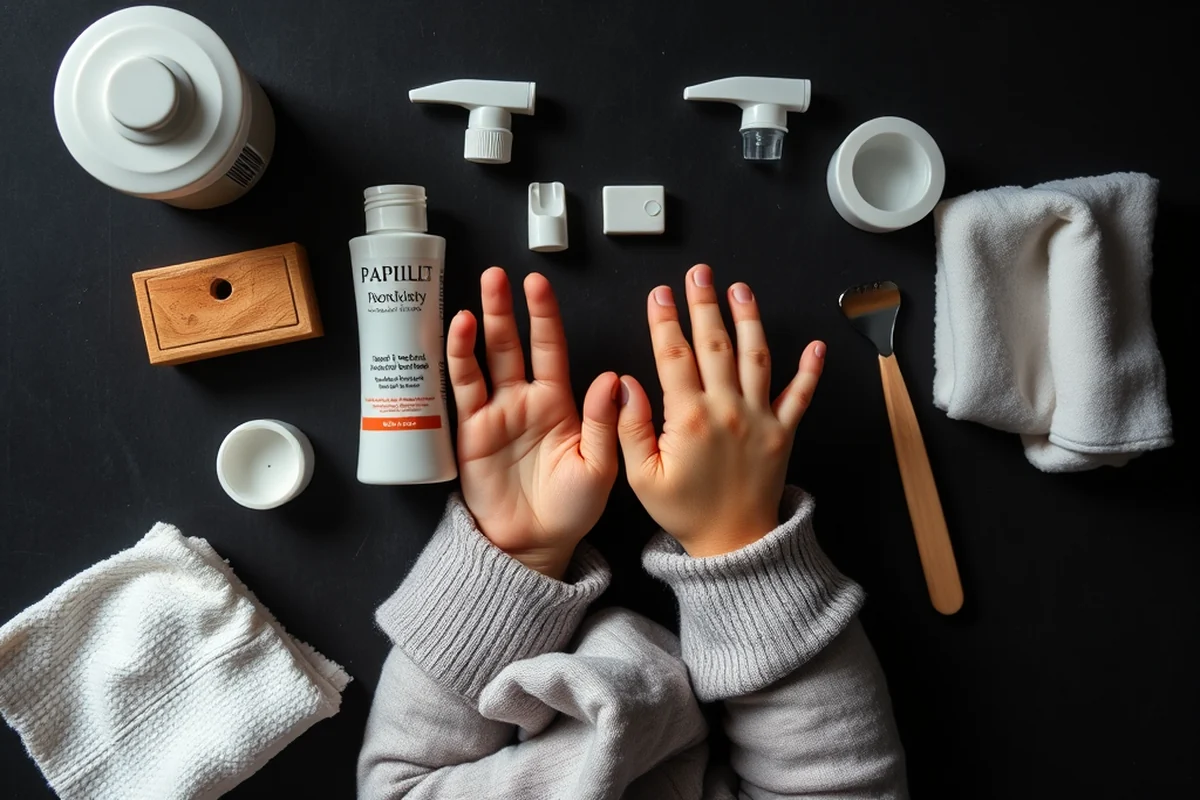
I remember when my daughter first asked to use the potty on her own. It was a big moment — a sign that she was ready to take more responsibility for her hygiene. I encouraged her by letting her choose her own potty seat and by praising her for each successful use.
I made a chart with stickers that she could earn for each time she used the bathroom independently. It made the process fun and rewarding, and it helped her take pride in her accomplishments. I found that using a potty that was the right size for her made a big difference in her comfort and confidence.
Over time, she became more independent, and I saw a noticeable improvement in her overall hygiene. It wasn't just about using the bathroom — it was about taking ownership of her body and her health.
Nail Care: A Simple but Important Detail
I used to neglect my daughter's nails, assuming they weren't that important. But I quickly learned the hard way — long nails can harbor germs and lead to infections. So I started using a small, child-safe nail clipper and a soft nail file to keep her nails short and clean.
I made it a game — we'd count how many nails we trimmed, and I'd let her pick the color of the file. It made the process fun and gave her a sense of control. I found that using a gentle, non-irritating nail polish remover helped keep her nails healthy and looking their best.
After a few weeks, I noticed that her nails were much cleaner, and she was less likely to get infections. It was a small step, but it made a big difference in her overall hygiene.
Handwashing: A Lifesaving Habit
I realized early on that handwashing was one of the most important habits I could teach my daughter. I started by making it a fun part of our daily routine. We'd sing a short song while we washed, and I'd let her choose her own soap — even if it was glittery and sparkly.
I found that using a small, child-friendly soap dish with a lid helped keep the soap clean and dry. I also made sure to use a gentle, fragrance-free soap that was safe for her sensitive skin. It made the process more pleasant, and it helped her stay clean and healthy.
Over time, she started to take ownership of the habit. She'd ask for the soap or the towel, and she'd wash her hands on her own. I saw a noticeable improvement in her overall health — she was getting sick less often, and she was more confident and self-assured.
Handwashing isn't just about cleanliness — it's about saving lives.
Creating a Hygiene-Friendly Environment
I realized that having the right environment in place was just as important as the routine itself. I started by creating a small, dedicated area in the bathroom for her to wash and care for herself. I used a soft, plush bath mat and a towel rack with a cute, kid-friendly design.
I also made sure to keep all the necessary supplies within reach — soap, toothbrush, towel, and a small container for her hairbrush. It made the process easier, and it helped her take more ownership of the routine. I found that using a small, child-friendly sink helped her feel more comfortable and confident.
Over time, the space became a place of comfort and routine. She started to associate the bathroom with positive experiences, and she was more willing to participate in the hygiene process. It was a small change, but it made a big difference in her overall health and well-being.
🧸 Gentle Approach
Focus on comfort and play, using soft, sensory-friendly products and a low-pressure routine that builds confidence gradually.
⏱️ Fast-Track Routine
A streamlined, efficient version of the routine that's perfect for busy days, with minimal steps and maximum effectiveness.
🧳 Travel/On-the-Go
A portable version of the routine that works well when you're away from home, using travel-sized products and quick, easy steps.
👶 Multiples Care
A routine that's designed for parents with more than one toddler, focusing on efficiency and shared activities that keep all kids engaged.
🔄 Regression Reset
A focused, intensive routine to help reset hygiene habits during times of regression, with extra attention to consistency and routine.
| The mistake | Why it happens | The fix |
|---|---|---|
| Forcing the routine without involving the toddler. | It can lead to resistance and make the process stressful for both you and your child. | Involve your toddler in the process by letting her choose products and participate in the steps. |
| Using the wrong products for sensitive skin. | It can cause irritation, redness, and even infections. | Choose gentle, fragrance-free products that are safe for your toddler's skin and avoid harsh chemicals. |
| Neglecting nail care. | Long nails can harbor germs and lead to infections. | Keep your toddler's nails short and clean using a small, child-safe nail clipper and a soft nail file. |
| Not creating a clean, organized environment. | It can make the process confusing and less effective. | Set up a dedicated, organized space with all the necessary supplies within reach. |
Best Toddler Girl Hygiene
Common Questions
How can I make tooth brushing fun for my toddler?
What's the best way to teach my toddler to wash her hands?
How often should I wash my toddler's hair?
What's the best way to encourage my toddler to use the potty?
References
- Oral Health and Pregnancy - HRSA (hrsa.gov)
- Personal Hygiene and Vulvovaginitis in Prepubertal Children (pubmed.ncbi.nlm.nih.gov)
- Global report reveals major gaps in menstrual health and hygiene in schools (who.int)
- Menstrual Health and Hygiene - World Bank (worldbank.org)
Cite this guide
Toddler Hygiene Habits (2026). Best Toddler Girl Hygiene. https://rinseplay.com/best-toddler-girl-hygiene/
Feel free to cite or share this guide.
Toddler Hygiene Habit Plan
Two-week stepwise plan to build toddler handwashing, toothbrushing or bath habits.
Open it free →