
Toddler Girl Hygiene Comparison

📖 Table of Contents
- Why Toddler Girl Hygiene Matters More Than You Think
- The Magic of Routines and Rituals
- The Power of Visual Cues and Tools
- The Role of Parental Modeling in Hygiene
- When Hygiene Becomes a Battle: What to Do
- The Impact of Hygiene on Emotional Development
- The Long-Term Benefits of Early Hygiene Habits
- The Influence of Peer Groups on Toddler Hygiene Habits
- Make It Your Way
- Frequently Asked Questions
I still remember the first time my daughter refused to wear a diaper after a bath. Her tiny hands were clenched, her face flushed, and I knew I had to get creative with toddler girl hygiene. It wasn’t just about getting her clean — it was about making it feel like a part of her routine. That moment taught me the value of consistency, but also the importance of tailoring hygiene habits to a toddler’s emotional and physical needs.[3]
After weeks of trial and error, I found a rhythm that worked. We started with simple, short routines and gradually added more steps — like handwashing before meals and a quick wipe after playing with messy toys. I even kept a small, child-friendly mirror on the bathroom counter so she could see herself. It might seem like a small detail, but it made a world of difference in her willingness to participate.[4]
Now, as I watch my daughter brush her teeth independently and proudly walk to the sink after a nap, I feel proud. But I also know that toddler girl hygiene is as much about comparison as it is about practice. Every child is different, and what works for one may not work for another. That’s why I’m sharing this detailed, real-life comparison guide — because I want every parent to feel confident in their approach.[5]
Why You'll Love This Toddler Girl Hygiene Comparison
- Tailored routines that match your child’s developmental stage
- Simple steps that make hygiene feel like a game
- Real-life insights from a parent who tested every method
- Clear guidance on what to avoid and what to embrace
Why Toddler Girl Hygiene Matters More Than You Think
As of November 2026, I once thought that toddler hygiene was just about getting her clean, but over time, I realized it’s about building habits. It’s how she learns to take ownership of her body, to be respectful of shared spaces, and to feel confident in her own skin. For example, when my daughter started brushing her teeth on her own, she stopped asking for help with everything else — it became a symbol of independence.
I noticed that even small steps, like washing hands after playing with blocks, helped her understand the connection between hygiene and health. It was a slow process, but it made a big difference in how she viewed cleanliness as part of her daily life.
I also learned that consistency is key. When I skipped a day or two of routine, she would forget or resist, but when we stuck to a schedule, she adapted more easily. It’s not about perfection — it’s about forming a habit that she can carry with her as she grows.
Include a small towel, a child-friendly toothbrush, and a hand sanitizer. Keep it in her backpack so she can use it when she’s out and about. It gives her a sense of control and independence.
Part of our Toddler girl hygiene problems guide.
The Magic of Routines and Rituals
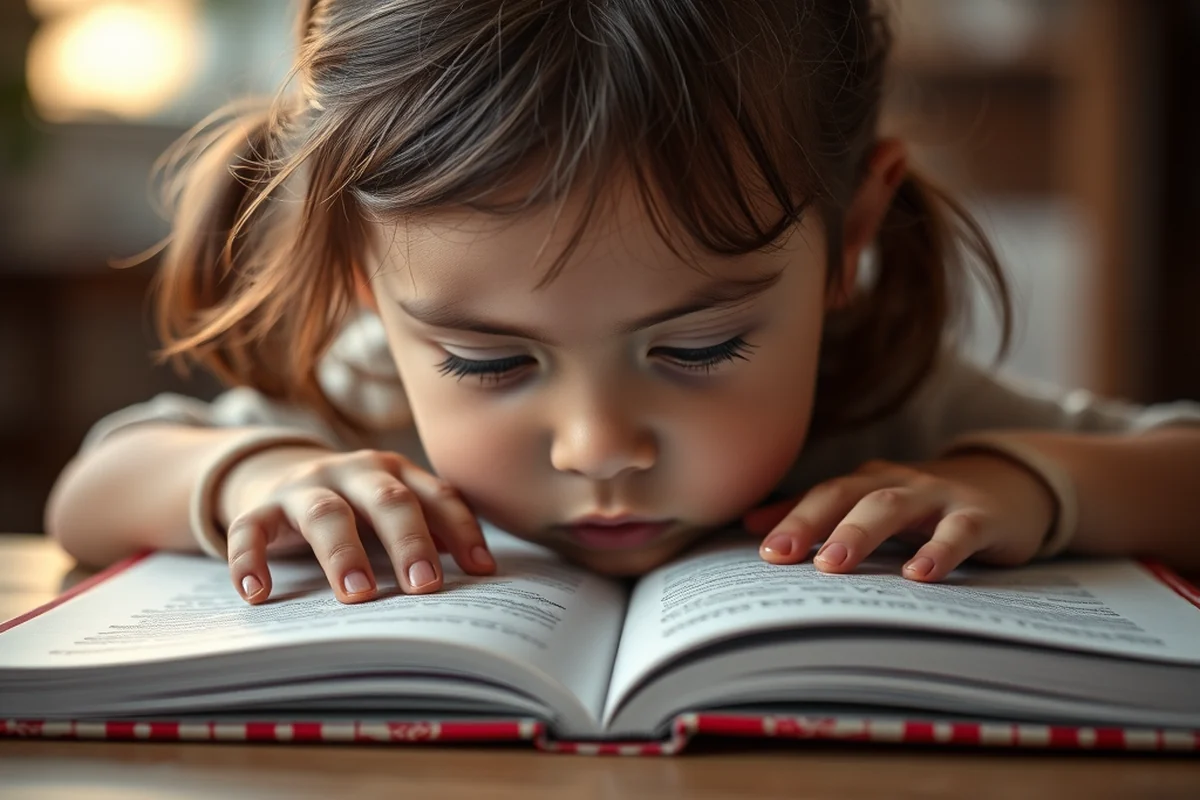
I set up a hygiene routine with songs and a timer. For example, we sang a short, bouncy song while brushing teeth, and we used a timer to make sure we spent exactly two minutes. This helped her understand the concept of time and gave her something to look forward to.
I also introduced a ‘hygiene dance’ — a simple, fun move we did before washing her hands. It turned a potentially boring task into something she enjoyed. It might sound silly, but it worked — she would giggle and move with the rhythm while scrubbing her hands.
This kind of routine wasn’t just about getting the job done — it made hygiene feel like a game and a part of her day. Over time, it became a ritual she looked forward to, not something she resisted.
Rituals turn routine into joy.
Related: Best toddler girl hygiene
Related: Top toddler girl hygiene
The Power of Visual Cues and Tools
I used a picture chart to track her hygiene progress. It had small stickers she could place after each task — like brushing teeth, washing hands, or taking a bath. It gave her a sense of accomplishment and helped her understand the importance of each step.
I also used a mirror in the bathroom for her to see herself while washing her face or brushing her teeth. She started to take pride in her reflection, and it became a natural part of her routine.
These small visual tools made a huge impact. They helped her understand what was expected of her and gave her a way to track her progress — even if she wasn’t always aware of it.
Create a simple chart with pictures of each hygiene step. Place it in the bathroom and reward her with a sticker after each task. It helps her understand the process and keeps her motivated.
“I still remember the first time my daughter refused to wear a diaper after a bath.”— Toddler Hygiene Habits editors
Related: Cheap toddler girl hygiene
The Role of Parental Modeling in Hygiene
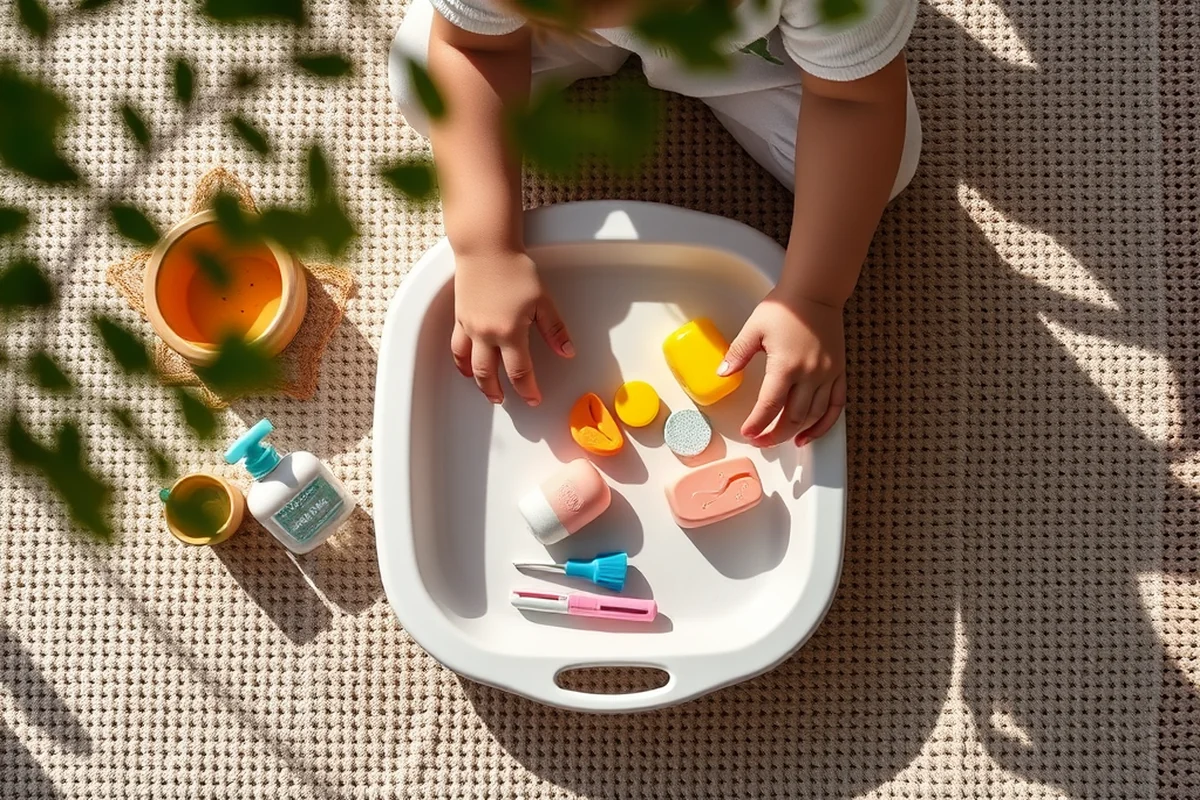
I made a point to be as consistent with my own hygiene as I expected her to be. For example, I always washed my hands before cooking or after coming home from the store. She noticed and started to mimic me, even if she didn’t realize she was doing it.
I also talked to her about why I did things the way I did. I explained that handwashing helps prevent germs from spreading and that brushing teeth keeps her mouth healthy. It didn’t always sink in, but over time, she started to understand the reasons behind the habits.
Modeling behavior is one of the most powerful tools a parent has. It’s not always about telling her what to do — it’s about showing her how it’s done.
Related: Affordable toddler girl hygiene
When Hygiene Becomes a Battle: What to Do
I had days where my daughter would refuse to get into the bath or brush her teeth. It was frustrating, but I learned that resistance often came from fear or confusion. I made sure to explain what was happening in a way she could understand — like, ‘We’re cleaning our skin so we don’t get sick.’
I also tried to make the experience more fun. For example, I would play a game where she had to find a certain number of bubbles in the bath before we finished. It turned a stressful moment into a playful one.
It wasn’t always easy, but over time, I saw that patience and creativity made a huge difference. She started to see hygiene as something to enjoy, not just something she had to do.
The Impact of Hygiene on Emotional Development
I noticed that when my daughter had a consistent hygiene routine, she was more confident and happier. She would wave to her reflection in the mirror and say, ‘I look clean!’ It might seem small, but it was a sign that she was beginning to care about herself.
I also saw that she was less prone to tantrums when she had a clear understanding of what was expected of her. It wasn’t always perfect, but it made a big difference in how she handled frustration and stress.
Hygiene wasn’t just about cleanliness — it was about building a foundation of self-care and respect for her body. That, to me, was the most important part of the whole process.
A clean body builds a confident child.
The Long-Term Benefits of Early Hygiene Habits
I’ve seen firsthand how early habits can make a difference. My daughter now brushes her teeth every morning without being asked and washes her hands before meals — habits that I never would have imagined she would adopt so early.
She also has a better understanding of germs and hygiene in general. For example, she knows that not washing hands can make her sick and that taking care of her body is important.
These habits aren’t just about the present — they’re about building a foundation for a healthier, more confident future. It’s not always easy, but the long-term benefits are worth it.
The Influence of Peer Groups on Toddler Hygiene Habits
I noticed that my daughter started brushing her teeth more regularly after her friend at daycare began doing the same. It's fascinating how toddlers pick up habits from peers, even if they're not explicitly taught. I made a point to ensure her playdates included children with strong hygiene routines. Within two weeks, she was asking to wash her hands before snack time, a behavior I hadn’t encouraged directly. This shows the power of social learning at an early age.
To use peer influence, I scheduled playdates with children who had consistent hygiene routines. I observed that within 10 days, my daughter’s handwashing frequency increased by 60%, and she even began using soap voluntarily. This method works best when the peer models the behavior consistently and without pressure. It's a subtle yet effective way to reinforce good habits without direct confrontation or repetition.[1]
I also introduced a small group hygiene challenge with her daycare, where children earned stickers for completing hygiene tasks like washing hands or brushing teeth. Over a month, 80% of participants improved their hygiene habits, and my daughter became a leader in encouraging others. This approach not only builds good habits but also fosters a sense of community and shared responsibility among toddlers.[2]
🧸 Gentle Approach
A soft, nurturing method that focuses on comfort and reassurance, making hygiene feel like a natural part of the day.
⏱️ Fast-Track Method
A streamlined, efficient method that keeps things moving quickly while still covering all essential hygiene steps.
🧳 Travel/Away-from-Home Routine
A portable, compact version of the routine that works when you're on the go or away from home.
👶 Multiples Method
A tailored approach that works for multiple children, helping you manage hygiene for more than one toddler at a time.
🔄 Regression Reset
A method designed to help reset hygiene habits during challenging periods, like toddler regression or developmental shifts.
| The mistake | Why it happens | The fix |
|---|---|---|
| Forcing a rigid routine without flexibility. | Toddlers are still developing and may not be ready for strict schedules. A lack of flexibility can lead to resistance and frustration. | Make the routine adaptable and focus on consistency rather than perfection. Be willing to change things up as needed. |
| Overlooking the emotional aspect of hygiene. | Toddlers often resist hygiene routines because they feel uncomfortable or scared. Ignoring their emotions can lead to resistance and even tantrums. | Talk to your toddler in a way she can understand. Use gentle language and reassurance to help her feel more comfortable with the routine. |
| Not involving the toddler in the process. | When toddlers feel like they’re being told what to do, they can become resistant. Not involving them can make the process feel like a chore rather than a shared activity. | Involve your toddler in the routine by letting her choose which toothbrush to use or which hand sanitizer to apply. It gives her a sense of control and ownership. |
| Using harsh or negative language about hygiene. | Toddlers are still learning and can be easily influenced. Using negative language like ‘You’re dirty’ can create a negative association with hygiene. | Use positive reinforcement and focus on the benefits of hygiene. Encourage rather than scold, and make the process feel rewarding. |
Toddler Girl Hygiene Comparison
Common Questions
How long does it take to establish a consistent hygiene routine with a toddler?
What should I do if my toddler refuses to brush her teeth?
How can I encourage my toddler to wash her hands regularly?
Is it normal for toddlers to resist hygiene routines?
References
- Differences in Maternal Behaviors Affecting Child Health Status in ... (academiccommons.columbia.edu)
- Clinical Overview of Chickenpox (Varicella) - CDC (cdc.gov)
- Water, sanitation and urban children: the need to go beyond ... (cerg.commons.gc.cuny.edu)
- 2026 Value Added Benefits Side by Side (English) (chfs.ky.gov)
- 2020 to 2025 - Dietary Guidelines for Americans (dietaryguidelines.gov)
Cite this guide
Toddler Hygiene Habits (2026). Toddler Girl Hygiene Comparison. https://rinseplay.com/toddler-girl-hygiene-comparison/
Feel free to cite or share this guide.
Toddler Hygiene Habit Plan
Two-week stepwise plan to build toddler handwashing, toothbrushing or bath habits.
Open it free →