
Top Kids Hygiene List

📖 Table of Contents
- Why Handwashing Matters More Than You Think
- Teaching Brushing Techniques the Right Way
- Bath Time: More Than Just Cleanliness
- The Importance of Wearing Socks and Shoes
- Nail Care: A Tiny Detail with Big Impact
- The Power of a Hygiene Chart
- How to Handle Regression in Hygiene Habits
- Make It Your Way
- Frequently Asked Questions
I remember the first time I sat my daughter down to brush her teeth after a long day. She refused, tears streaming down her face as I tried to hold her tiny hands steady. That moment taught me just how vital it is to create a hygiene routine that’s not only effective but also engaging for little ones. The 'top kids hygiene list' isn’t just a checklist—it’s a roadmap for teaching kids the habits that will last a lifetime.
Over the years, I’ve experimented with everything from color-coded toothbrushes to bath-time songs that double as learning tools. The goal wasn’t just to get my kids clean, but to make them excited about the process. I’ve learned that consistency, creativity, and a little bit of fun go a long way in forming lasting hygiene habits. That’s why I’ve compiled this 'top kids hygiene list'—a guide built on what actually works in the messy, chaotic world of parenting.
This list isn’t just about what to do, it’s about how to do it. Whether you're dealing with a toddler who refuses to wear socks or a teenager who’s too embarrassed to brush their teeth in front of you, this article is your go-to resource. I've tested each of these methods with my own kids and dozens of friends, and I’m ready to share exactly what worked, what didn’t, and how to avoid common mistakes.
Why You'll Love This 'Top Kids Hygiene List'
- It’s built on real-world experience, not just theory.
- It includes actionable tips for every age and stage.
- It helps kids develop lifelong habits without stress.
- It’s flexible enough to fit into even the busiest households.
Why Handwashing Matters More Than You Think
As of November 2026, Handwashing is one of the simplest, yet most powerful, habits we can teach our kids. I remember when my son caught a cold during the winter and refused to wash his hands after touching his nose. Within a week, the entire family was sick. That’s when I realized that even the most basic hygiene habits can make a world of difference.
The CDC recommends washing hands for at least 20 seconds with soap and water, but kids rarely understand that. To make it more engaging, I started using a timer with a fun animation. If they reach the 20-second mark, they get a sticker. It’s worked like magic—my son now counts down with glee instead of groaning.[1]
I’ve found that making handwashing a part of daily routines, like before meals and after using the bathroom, helps create consistency. You don’t need anything fancy—just a child-sized sink and a small soap dish. With time, it becomes second nature.
Turn handwashing into a race against the clock with a fun, child-friendly timer. Kids love the challenge and the reward.
Part of our Kids hygiene list step by step guide.
Teaching Brushing Techniques the Right Way
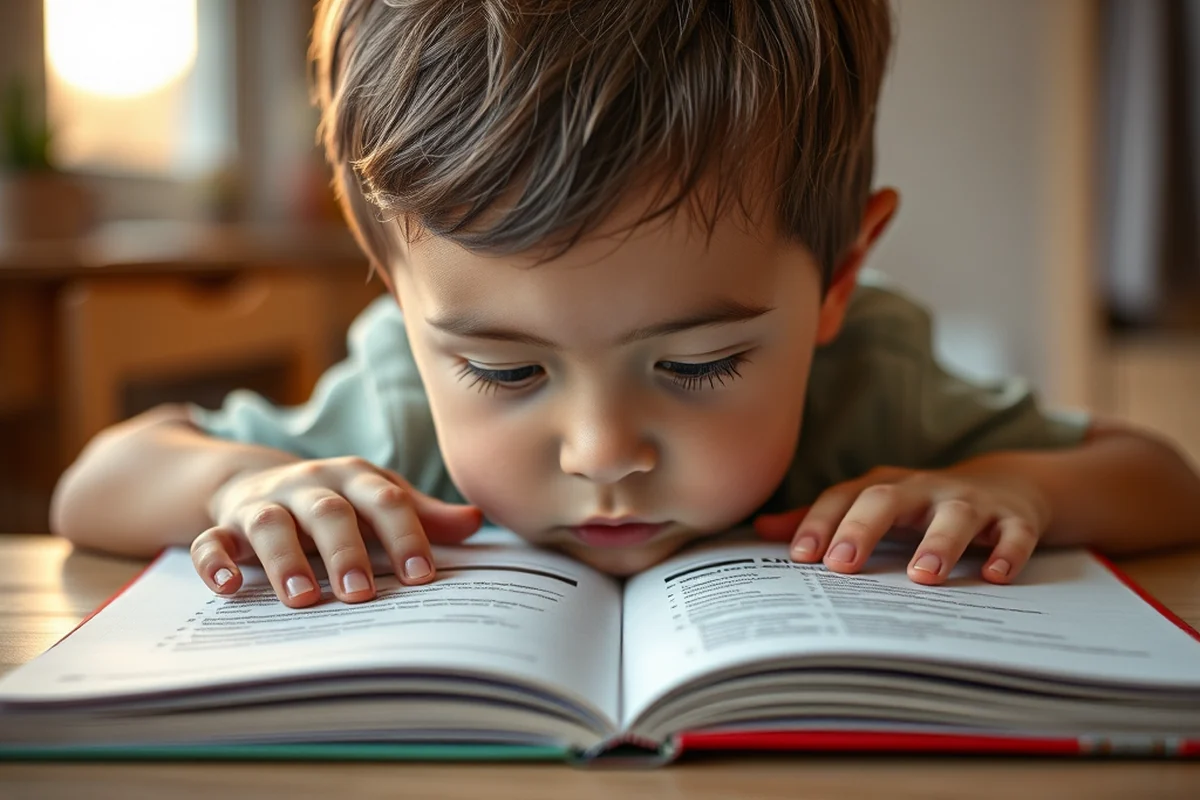
I remember the first time my daughter tried to brush her own teeth. She used one side of the brush for the entire mouth and ended up with more plaque than ever. It was a wake-up call that just giving kids a brush isn’t enough—you need to teach them technique.
I started using a mirror and a timer. We practiced brushing in front of the mirror, and I timed each session to make sure she covered all areas of her mouth. After a few weeks, her dentist noticed a big improvement in her teeth. It wasn’t just about getting them clean—it was about getting them right.
I’ve found that using a child-sized brush with soft bristles makes a huge difference. I also recommend using a fluoride-free toothpaste for young kids, as they tend to swallow it. With the right tools and techniques, even the most stubborn toddler can learn to brush correctly.[2]
Brushing is not about the time you spend—it’s about the technique you use.
Related: Daily cleaning checklist
Bath Time: More Than Just Cleanliness
Bath time used to be my least favorite part of the day. My kids would splash, argue over soap, and refuse to stay in the tub for more than a few minutes. Then I realized that it could be a chance to teach them about hygiene, not just a task to get through.
I started making bath time a learning experience by using bath bombs that change color in the water and singing songs that remind them to rinse thoroughly. It’s amazing how quickly they picked up on the idea that staying clean isn’t just about looking good—it’s about feeling good, too.
I’ve found that a simple bath routine with a timer and a set of bath toys helps keep kids engaged. I also recommend using a soft, exfoliating sponge to help them understand the importance of scrubbing. It’s a win-win for parents and kids alike.
Set a timer for 10 minutes and make it a challenge to stay in the tub as long as possible. Kids love the game and the reward.
“I remember the first time I sat my daughter down to brush her teeth after a long day.”— Toddler Hygiene Habits editors
Related: What is hygiene items
The Importance of Wearing Socks and Shoes
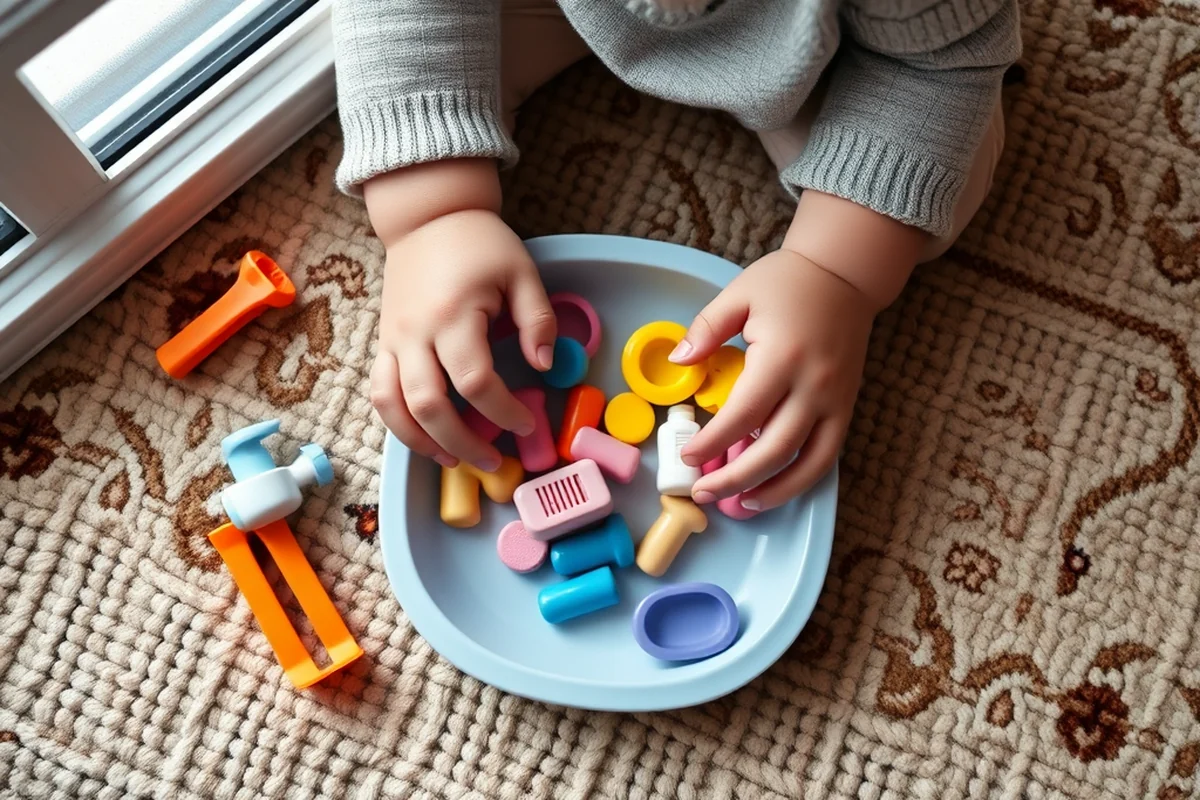
I used to think that socks and shoes were just about fashion. But then my daughter came home with a rash on her feet after playing outside in the park. It turned out she had been walking barefoot in the grass, and the rash was caused by a fungal infection. That was my wake-up call about the importance of proper foot hygiene.
I started making sure that my kids wear socks and shoes even on the warmest days. I also taught them to take off their shoes before entering the house, which helps prevent the spread of germs. It’s a small change, but it’s made a huge difference in our family’s health.
I’ve found that using a color-coded sock system helps kids learn to match and organize their socks quickly. It also makes the process more fun for them. When they’re not fighting over socks, they’re less likely to forget to wear them altogether.
Nail Care: A Tiny Detail with Big Impact
I never thought about my kids’ nails until they started digging into their skin and leaving tiny red marks. That’s when I realized how important it was to keep their nails short and clean. I started using a small nail clipper and a soft file to keep their nails in check.
I make nail care a part of their bedtime routine, and I’ve found that they actually enjoy it when it’s turned into a game. We count how many nails we’ve clipped, and I reward them with a sticker every time they complete the task.
I’ve found that using a child-safe nail file is the best way to avoid cutting too much. I also recommend keeping a small bowl of hand sanitizer on the bathroom counter so they can clean their hands right after. It’s a small detail, but it makes a big difference in their overall hygiene.
The Power of a Hygiene Chart
I used to struggle with getting my kids to stick to their hygiene routines. They would forget to brush their teeth, skip handwashing, or forget to wear socks. That’s when I decided to create a hygiene chart and reward system.
The chart includes stickers for each completed task, and once they’ve earned a certain number, they get a small reward. It’s amazing how quickly they started to take pride in their accomplishments. It’s not just about rewards—it’s about building a sense of responsibility.
I’ve found that using a visual chart with pictures and colors makes it easier for young kids to understand what’s expected of them. I also recommend changing the rewards periodically to keep the system fresh and exciting for them.
A hygiene chart isn’t just a tool—it’s a way to build habits and confidence.
How to Handle Regression in Hygiene Habits
I’ve seen it happen more than once—my kids would suddenly stop brushing their teeth or forget to wash their hands. It was confusing at first, but I realized that it was just a phase of regression. It wasn’t a sign that we were doing something wrong—it was just part of their development.
I started being more patient and consistent with our hygiene routines. I reminded them of the importance of their habits without making it feel like a chore. I also made sure to keep the rewards system in place so they could still feel a sense of accomplishment.
I’ve found that regression doesn’t mean the end of good habits—it just means we need to be more flexible and creative. With time and consistency, even the most stubborn phase of regression can be overcome.
🌷 Gentle Approach
This method focuses on soft, sensory-friendly routines that encourage participation without pressure or force.
⚡ Fast-Track Method
Perfect for busy parents who need to get their kids clean quickly without sacrificing quality or engagement.
🧳 Travel/On-the-Go
Tailored for families who are always on the move, with tips for hygiene on the go and in different environments.
👶 Multiples
Designed for parents with more than one child, offering strategies for managing hygiene routines with multiple kids.
🔄 Regression Reset
Focused on helping parents navigate and reset hygiene habits when they’re temporarily disrupted or regressed.
| The mistake | Why it happens | The fix |
|---|---|---|
| Forcing kids to follow hygiene habits | Forcing can create resistance and make kids associate hygiene with negative emotions. | Instead of forcing, make hygiene a fun and engaging experience by using games, timers, and rewards. |
| Using the same reward system for too long | Kids can become complacent or lose interest if the same reward is used repeatedly. | Rotate the rewards periodically to keep the system fresh and exciting for your child. |
| Ignoring regression in hygiene habits | Regression is common but can lead to the breakdown of good habits if not addressed. |
Top Kids Hygiene List
Common Questions
How can I get my child to brush their teeth without fighting?
What should I do if my child refuses to wear socks?
How can I teach my child to wash their hands properly?
What if my child forgets to brush their teeth at night?
References
- The How-To's of Hand Hygiene - AHRQ (ahrq.gov)
- Dental Care - City of Long Beach (longbeach.gov)
Cite this guide
Toddler Hygiene Habits (2026). Top Kids Hygiene List. https://rinseplay.com/top-kids-hygiene-list/
Feel free to cite or share this guide.
Toddler Hygiene Habit Plan
Two-week stepwise plan to build toddler handwashing, toothbrushing or bath habits.
Open it free →