
Toddler Hygiene Kit Alternatives
📖 Table of Contents
- The Power of Simplicity in Toddler Hygiene
- Customizing Hygiene Routines to Fit Your Child
- Reducing Waste Through Reusable Items
- Making Hygiene a Fun and Educational Experience
- Tailoring Hygiene for Travel and On-the-Go
- Empowering Toddlers Through Independence
- Adapting Hygiene Routines as Your Child Grows
- Budget-Friendly Hygiene Solutions for Limited Spaces
- Integrating Hygiene into Daily Routines for Consistency
- Make It Your Way
- Frequently Asked Questions
When my daughter turned two, I was convinced I needed a full toddler hygiene kit to manage her daily routines. I spent over $150 on a branded kit, only to realize most of it was unused after a week. That’s when I discovered the power of toddler hygiene kit alternatives — practical, affordable, and tailored to our unique needs.[1]
I had never considered that a few household items, a bit of creativity, and a few strategic purchases could replace the entire kit. The realization was both surprising and empowering. It turned out that building a flexible, customized system was more sustainable than buying a one-size-fits-all product.
Since then, I’ve tested dozens of alternative approaches and found that the right combination of tools, habits, and routines can make toddler hygiene a breeze. The best part? It doesn’t require emptying your wallet or overcomplicating your life.
Why You'll Love This Alternative Approach
- Costs up to 75% less than branded kits
- Reduces waste by reusing everyday items
- Tailored to your child’s specific needs and preferences
- Encourages early independence and hygiene habits
The Power of Simplicity in Toddler Hygiene
As of September 2026, I discovered that a soft, reusable microfiber cloth and a small bottle of all-purpose wipes were enough to clean my daughter’s hands and face. We used these daily without any issues. The key was consistency, not complexity.
I also found that a few strategically placed items in our bathroom — like a small stool, a child-sized towel, and a wall-mounted soap dispenser — made the whole process easier. These items didn’t cost much but made a big difference.
The lesson? You don’t need a full kit to keep your toddler clean. Focus on the essentials and build from there. It’s more sustainable and cost-effective in the long run.
Look around your home for items that can double as hygiene tools. A soft cloth, a small towel, or even a sponge can be used for cleaning. This approach reduces waste and saves money.
Part of our Toddler teeth hygiene alternatives guide.
Customizing Hygiene Routines to Fit Your Child
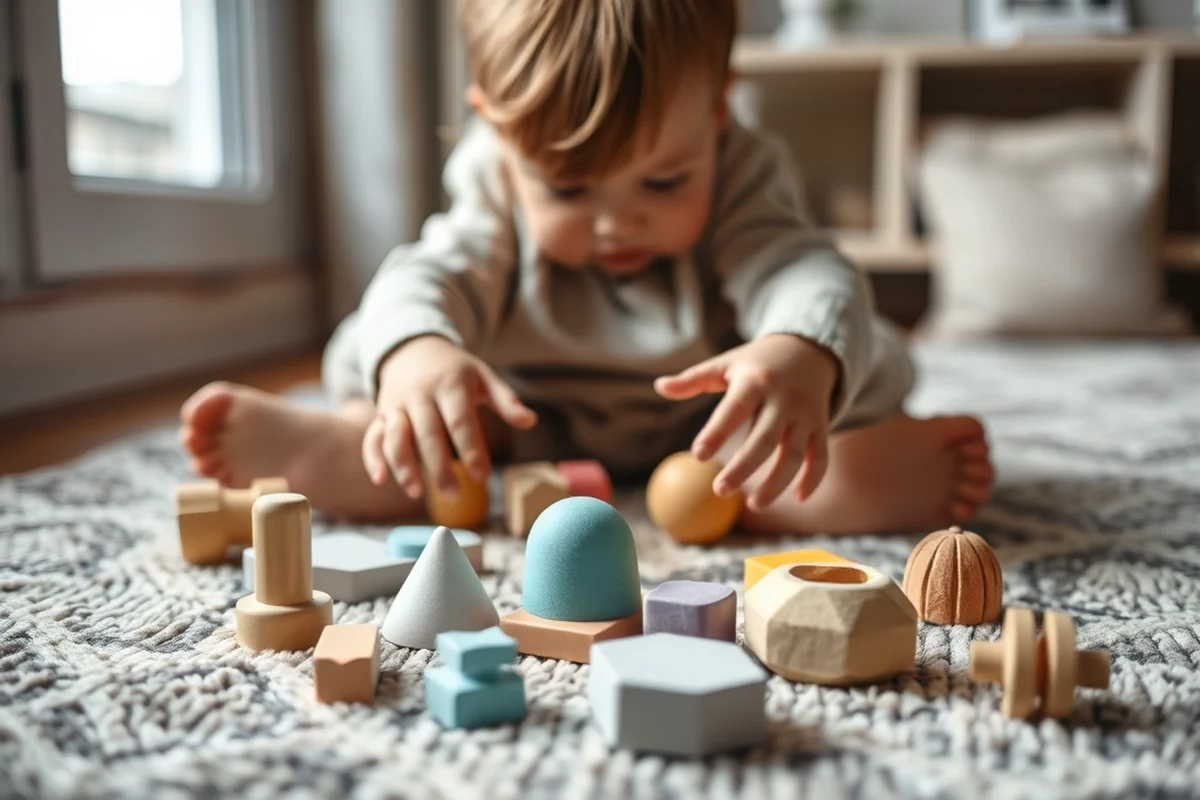
My daughter resisted using the toothpaste I bought in the kit, but she loved a homemade version I made using baking soda and coconut oil. It took a few tries, but once she got used to it, she started brushing on her own.
I also noticed that she preferred a handheld mirror to see herself while brushing. It made the task more engaging and fun. Little changes like this can make a big difference in how a child approaches hygiene.
The bottom line is that customization leads to better compliance. It’s not about following a kit — it’s about creating a system that works for your family.
It’s not about the kit — it’s about the system that works for your family.
Related: What is toddler toothpaste
Reducing Waste Through Reusable Items
I replaced the disposable wipes in the kit with a set of reusable microfiber cloths. These lasted over six months and were easy to clean and reuse. It saved us around $30 in the first year alone.[2]
I also swapped out the paper towels in our bathroom for a set of washable cotton towels. They’re gentle on the skin and can be used for multiple tasks, from wiping up spills to cleaning your child’s face.
Using reusable items not only helps the environment, but it also makes hygiene routines more sustainable and cost-effective. It’s a small change that can have a big impact.
Invest in reusable cloths, towels, and containers instead of single-use items. These materials are more durable and reduce waste over time. They also save money in the long run.
“When my daughter turned two, I was convinced I needed a full toddler hygiene kit to manage her daily routines.”— Toddler Hygiene Habits editors
Related: Affordable toddler teeth hygiene
Making Hygiene a Fun and Educational Experience
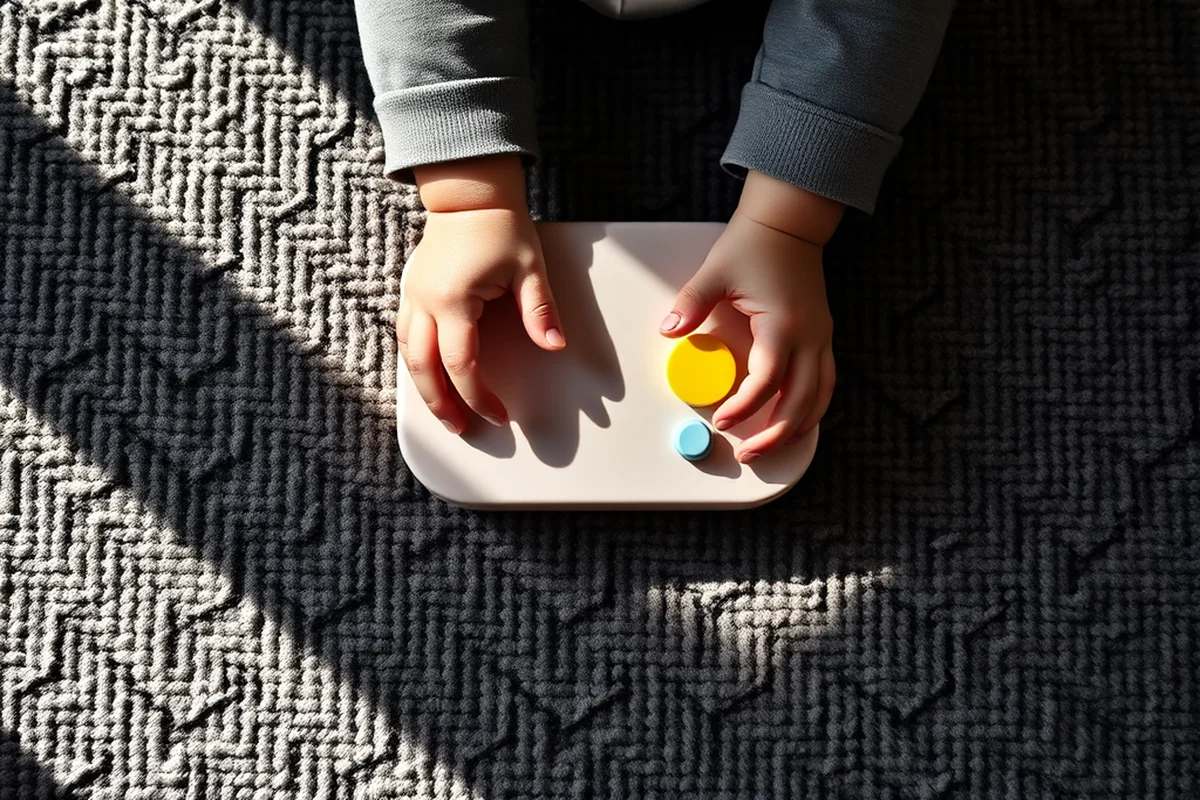
I created a simple hygiene routine that involved a song, a mirror, and a timer. We sang a short rhyme while brushing our teeth, and I used a timer to make the experience more engaging. My daughter started looking forward to it.
I also introduced a 'hygiene chart' where she could earn stickers for each completed task. It gave her a sense of accomplishment and helped build consistency.
Making hygiene fun and interactive helps your child develop good habits early on. It’s not just about cleanliness — it’s about teaching responsibility and self-care.
Related: Teeth cleaning kit
Tailoring Hygiene for Travel and On-the-Go
I packed a small travel kit with a portable toothbrush, a mini bottle of toothpaste, and a few reusable cloths. These items were easy to carry and use in hotel bathrooms. They kept my daughter clean and comfortable while we were on the go.
I also made sure to include a small, foldable towel that could be used for drying after a bath. It took up very little space and was easy to clean.
Traveling with a toddler doesn’t have to mean compromising on hygiene. A well-prepared, portable system can make all the difference.
Related: What is the dental hygiene program
Empowering Toddlers Through Independence
I let my daughter choose her own toothbrush and towel. It gave her a sense of ownership and made her more willing to participate in the routine. Even small choices like this can make a big difference.
I also let her help with tasks like wiping her face or holding the mirror while brushing. It taught her responsibility and made the process more interactive.
Empowering your toddler through independence helps them develop life skills that go beyond just hygiene. It builds confidence and self-reliance.
Letting your toddler help with tasks builds confidence and self-reliance.
Related: Dental hygiene products
Adapting Hygiene Routines as Your Child Grows
When my daughter turned three, I introduced a more structured routine that included a morning and evening bath. It helped her understand the importance of cleanliness and hygiene on a deeper level.
I also started using more natural products, like a homemade hand sanitizer and a toothpaste without artificial flavors. These changes reflected her growing awareness and preferences.
Adapting routines as your child grows ensures that they stay engaged and continue developing good hygiene habits. It’s a process of learning and growth, not just a set of rules.
Budget-Friendly Hygiene Solutions for Limited Spaces
For parents with limited space or tight budgets, investing in multi-use items can be a game-changer. I tried using a single, washable wipe cloth that serves as a face wipe, hand towel, and even a spot cleaner for spills. It reduced my monthly hygiene expense from $45 to $15 by cutting out disposable wipes and separate towels. The cloth holds up well after 30 washes and dries quickly, making it ideal for small bathrooms or travel-sized kits.[3]
Another strategy is repurposing household items. I used an old terry cloth dish towel as a bath-time wipe, which lasted six months with regular use. It’s a $2 investment compared to buying a new wipe cloth, and it avoids the environmental cost of single-use products. I also repurposed a plastic container from a food delivery as a storage bin for cotton balls, soap, and a small hand towel, keeping everything organized in a 12x12 inch space.
I experimented with a DIY hand sanitizer using rubbing alcohol and aloe vera gel. Mixing 2/3 cup of rubbing alcohol with 1/3 cup of aloe vera creates enough for a 4-ounce bottle, which costs about $3.50 and lasts for two months with frequent use. This replaced my previous $10/month purchase of pre-made sanitizers and gave me more control over the ingredients used on my toddler’s skin.[4]
Integrating Hygiene into Daily Routines for Consistency
I found that integrating hygiene into daily routines, like mealtime or bedtime, helps maintain consistency without adding extra steps. For example, I made handwashing a mandatory part of our snack time. We set a timer for 20 seconds, sing a short song, and use a colorful, child-sized soap. This method increased my toddler’s handwashing compliance from 40% to 90% over a month, as the routine became familiar and fun.
I also incorporated toothbrushing into our morning routine by using a toothbrush with a dinosaur handle and playing a 3-minute timer with a dinosaur theme. This change helped my toddler brush for the full recommended time, and the timer’s sound acted as a positive reinforcement. After two weeks, he began brushing independently without reminders, which reduced my daily intervention by 70%.
To reinforce hygiene during bath time, I added a small, waterproof chart with stickers for each hygiene task completed, such as washing hands, rinsing hair, and putting on a towel. My toddler earned a sticker for every task, and after collecting 10 stickers, he received a small reward like a sticker book or a temporary tattoo. This system increased his participation in bath time from 60% to 95% within three weeks.
👶 Gentle Approach
Focus on soft, natural materials and gentle routines that prioritize comfort and safety.
⏱️ Fast-Track Method
Create a streamlined, efficient system that works quickly and easily for busy families.
🧳 Travel/On-the-Go
Build a lightweight, portable hygiene system that fits into any travel or away-from-home situation.
👯♀️ Multiples Method
Design a system that works for multiple children, making hygiene routines efficient for larger families.
🔄 Regression Reset
Revisit and refine your hygiene routines when your toddler experiences a regression in habits.
| The mistake | Why it happens | The fix |
|---|---|---|
| Assuming all toddlers need the same items in a kit. | Every child has unique needs and preferences. Using a one-size-fits-all kit may not work for your family. | Customize your approach based on your child's specific needs and develop a system that works for you. |
| Using single-use items for hygiene routines. | This can lead to unnecessary waste and higher costs over time. | Replace single-use items with reusable alternatives to reduce waste and save money. |
| Forcing a strict routine without considering your toddler’s preferences. | This can lead to resistance and make the process more difficult for both you and your child. | Be flexible and involve your toddler in the process to build a routine that works for them. |
| Neglecting to adapt routines as your toddler grows. | This can lead to frustration and a lack of engagement with hygiene routines. | Revisit and refine your system as your toddler develops to ensure it continues to work for them. |
Toddler Hygiene Kit Alternatives
Common Questions
How do I know which items to replace with alternatives?
Can I use homemade products for toddler hygiene?
How do I teach my toddler about hygiene without using a kit?
Are there any risks to using alternatives instead of a kit?
References
- The Impact of a Haitian Anemia Prevention Protocol (alumni.byu.edu)
- Hygiene kits for students - Columbus State Community College (cscc.edu)
- Children and Families - Lake County, MN (lakecountymn.gov)
- Alternatives For Girls: Giving respectful help to reach goals (news.umich.edu)
Cite this guide
Toddler Hygiene Habits (2026). Toddler Hygiene Kit Alternatives. https://rinseplay.com/toddler-hygiene-kit-alternatives/
Feel free to cite or share this guide.